
.jpeg)
A comprehensive introduction to durvalumab (durvalumab) instructions and medication precautions
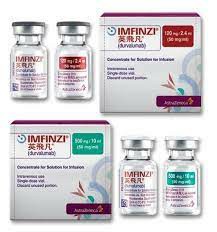
Durvalumab, trade name is durvalumab, is an immune checkpoint inhibitor that belongs to the anti-PD-L1 (programmed death ligand 1) monoclonal antibody drug class. It blocks the binding of PD-L1 on the surface of tumor cells and PD-1 receptors on the surface of immune cells, thereby removing the tumor's suppression of the immune system, thereby enhancing the body's own immune system's ability to recognize and kill tumor cells. Durvalumab is mainly used in the immunotherapy of various tumors, such as non-small cell lung cancer (NSCLC), urothelial cancer, etc. It is an important breakthrough in the field of tumor immunotherapy in recent years.
Pharmacological effects and indications
Dervalumab specifically binds to PD-L1, blocks its interaction with PD-1 and B7.1 receptors, restores the immune response mediated by T cells, and enables the immune system to recognize and attack tumor cells. The drug is indicated for patients with locally advanced or metastatic non-small cell lung cancer, particularly those whose disease has not progressed after receiving chemotherapy, as well as patients with other solid tumors such as bladder cancer. In recent years, durvalumab has also been explored for use in the treatment of a variety of solid tumors, showing good anti-tumor activity and acceptable safety.
Usage and dosage
Dervalumab is usually administered by intravenous infusion, with a standard dose of 10mg/kg once every two weeks over a typical infusion time of 60 minutes. The specific medication plan needs to be formulated by a professional doctor based on the patient's physical condition, tumor type and treatment response. During the medication period, patients should closely monitor possible side effects, undergo relevant hematological and biochemical index testing regularly, and adjust the treatment plan in a timely manner. During treatment, if severe immune-related adverse reactions occur, medication may need to be suspended or immunosuppressive treatment may be given.
Medication precautions
1. Immune-related adverse reactions: Durvalumab may cause a variety of immune-mediated adverse reactions, common ones including pneumonia (interstitial lung disease), hepatitis, enteritis, endocrine dysfunction (such as thyroid dysfunction, adrenalitis), skin reactions, etc. If patients develop symptoms such as persistent cough, difficulty breathing, jaundice, diarrhea, or severe rash during treatment, they should seek medical treatment promptly.
2.Contraindications: Contraindicated in patients allergic to durvalumab or its components. For patients with active autoimmune diseases, it should be used with caution and risk assessment conducted when necessary.
3.Monitoring and follow-up: Regular chest imaging examinations, liver function, kidney function and thyroid function monitoring are required during treatment. Immune-related side effects should be identified and treated early, and immunosuppressants such as glucocorticoids should be used if necessary.
4. Note on combined medication: When using durvalumab, avoid combining it with other immunosuppressive drugs to avoid affecting the immune activation effect. If the patient is taking immunosuppressants to treat other diseases, a comprehensive evaluation of the treatment plan is required.
5. Medication for special groups: Elderly patients and patients with liver and kidney dysfunction should use it with caution and strictly monitor drug reactions. Pregnant and lactating women should avoid use as there is insufficient safety data to support it.
As an innovative immune checkpoint inhibitor, durvalumab plays an important role in tumor treatment. It significantly improves the survival rate and quality of life of patients with a variety of advanced solid tumors by activating the patient's own immune system. But at the same time, patients and medical staff must attach great importance to potential immune-related adverse reactions and reasonably manage safety risks during medication. Only under the guidance of professional doctors and rational use of drugs based on the patient's specific condition can the therapeutic benefits of durvalumab be maximized and tumor patients achieve better treatment results.
Reference materials:https://www.imfinzi.com/
[ 免责声明 ] 本页面内容来自公开渠道(如FDA官网、Drugs官网、原研药厂官网等),仅供持有医疗专业资质的人员用于医学药学研究参考,不构成任何治疗建议或药品推荐。所涉药品可能未在中国大陆获批上市,不适用于中国境内销售和使用。如需治疗,请咨询正规医疗机构。本站不提供药品销售或代购服务。


