
.jpeg)
How does mivamutin injection work?
Mifamurtide injection (Mifamurtide) is an immunomodulatory drug that is mainly used as adjuvant therapy for the treatment of non-metastatic osteosarcoma (osteosarcoma). It is especially suitable for young patients who have undergone surgical resection and chemotherapy. Its unique mechanism of action is not to directly kill tumor cells, but to activate the body's immune system, mobilize the activity of macrophages and monocytes, and enhance the anti-tumor immune response, thereby delaying or preventing tumor recurrence and metastasis. It is a typical representative of "non-cytotoxic immunotherapy".
Structurally, mivamutin is a synthetic molecule similar to a cell wall component. Its chemical structure simulates bacterial peptidoglycan (muramyl dipeptide, MDP), and MDP is an important immunostimulatory fragment in the cell wall of Gram-positive bacteria. In the natural immune system, natural immune cells such as macrophages and monocytes can initiate inflammatory responses by recognizing these bacteria-associated molecular patterns (PAMPs), activate signaling pathways, and mobilize the immune system to defend against external threats. Mivarintide simulates this process, but by designing it in a safer, specific and controllable form, it achieves the purpose of activating immunity while avoiding strong inflammatory side effects.
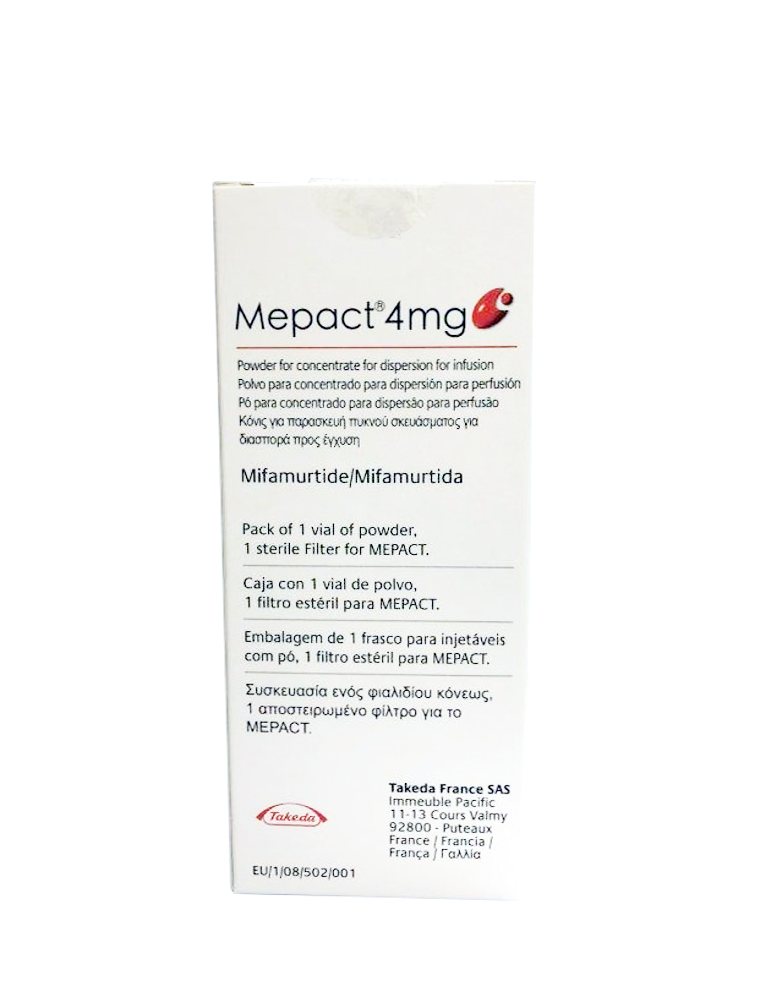
Specifically, mivamutide is injected and administered by being wrapped in small vesicles, simulating natural bacterial particles. After entering the body, it is engulfed by macrophages, dendritic cells, etc. After the drug is engulfed, it can stimulate pattern recognition receptors (such as NOD2 receptors) inside macrophages, activate the NF-κB signaling pathway, and further prompt cells to release a series of cytokines, including tumor necrosis factor α (TNF-α), interleukin-6 (IL-6), monocyte chemoattractant protein (MCP-1), etc. The release of these cytokines can enhance the local immune microenvironment, form an indirect killing effect on tumor cells, stimulate the recruitment and activation of more immune cells (such as T cells, natural killer cells), and enhance the systemic anti-tumor immune response.
It is worth emphasizing that mivamutide is not a cytotoxic drug. It does not directly interfere with the DNA or division mechanism of tumor cells like chemotherapy drugs. Therefore, its side effects are relatively mild, but its effect is also more dependent on the activity of the patient's own immune system. This mechanism is particularly suitable for the “clearance of residual lesions” stage after surgical resection, which can reduce the risk of recurrence without causing sustained damage to normal tissue.
In addition, the liposome encapsulation design of miavastatin also improves its targeting and bioavailability. This delivery system helps the drug to be released stably in the body, prolong its action time, and avoid rapid clearance, thereby enhancing the persistence of immune activation. This feature also makes its administration frequency less frequent, and each intravenous infusion can maintain a relatively long-term immune stimulating effect.
From a clinical perspective, mivamutide is usually not used as a single treatment option, but is used in conjunction with the traditional osteosarcoma treatment process, such as preoperative and postoperative chemotherapy regimens (such as containing cisplatin, doxorubicin, methotrexate and other chemotherapy drugs), as an immune auxiliary therapy after surgical resection of the main tumor to enhance the long-term efficacy after chemotherapy and prevent micrometastases from developing into detectable lesions. This treatment concept is in line with the trend of modern cancer treatment "comprehensive multi-target intervention", with special emphasis on mobilizing the body's own anti-cancer potential.
Reference materials:https://en.wikipedia.org/wiki/Mifamurtide
[ 免责声明 ] 本页面内容来自公开渠道(如FDA官网、Drugs官网、原研药厂官网等),仅供持有医疗专业资质的人员用于医学药学研究参考,不构成任何治疗建议或药品推荐。所涉药品可能未在中国大陆获批上市,不适用于中国境内销售和使用。如需治疗,请咨询正规医疗机构。本站不提供药品销售或代购服务。


