
.jpeg)
What is the difference between the two drugs guanfacine and clonidine?
Guanfacine and clonidine (Clonidine) are two α2-adrenergic receptor agonists with similar mechanisms of action but significant differences in clinical use, pharmacokinetic properties, and side effects. Although they both belong to the category of central antihypertensive drugs, and both can act on the central nervous system to inhibit sympathetic nerve activity, thereby lowering blood pressure, in contemporary medical practice, the use of these two drugs has gradually differentiated, especially in the status of psychiatric and neurological diseases, and there have been functional differences. Understanding the differences between them can help patients and doctors more accurately select appropriate drugs for personalized treatment.
First of all, from a mechanism perspective, both guanfacine and clonidine activate α2A-adrenergic receptors in the brainstem, inhibit the release of norepinephrine, weaken sympathetic nerve excitation, and ultimately achieve the effect of lowering blood pressure. However, guanfacine is more selective for the α2A subtype receptor, which means that it acts more specifically on the central nervous system, so it usually exhibits milder adverse reactions and less sedative effects. This property makes guanfacine widely used for impulse control, irritability and other behavioral problems related to attention deficit hyperactivity disorder (ADHD), especially for children and adolescents who cannot tolerate traditional stimulant treatment. In contrast, clonidine's α2 receptor is less selective and activates α2B and α2C subtypes at the same time, so its side effects are more significant, especially in causing drowsiness, hypotension and dry mouth.
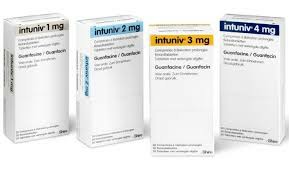
Looking at indications, guanfacine has been approved in many countries for the treatment of ADHD. In particular, it plays a core role in non-stimulant treatment strategies. Its long-acting sustained-release formulation, Intuniv, is widely used in children and adolescent patients and has good behavioral regulation benefits. Although clonidine is also used in ADHD, especially as an auxiliary treatment option when stimulants cause insomnia or anxiety, it is still mainly used as an antihypertensive drug and has a long history of controlling symptoms such as opioid withdrawal symptoms, hypertensive crisis, and Tourette syndrome. Although there may be overlap between the two in some psychiatric and behavioral disorders, guanfacine has become more popular in recent years due to its better selectivity and better tolerability.
Side effects are also an important dimension that differentiates the two drugs. The most common adverse reactions of guanfacine include drowsiness, fatigue and headache, but it is generally well tolerated and serious cardiovascular side effects are rare. Clonidine is more likely to cause significant hypotension, bradycardia, and rebound hypertension after sudden drug withdrawal, which requires patients to gradually reduce the dose when stopping the drug to avoid rapid withdrawal. In addition, clonidine has a strong sedative effect, and some patients may experience significant drowsiness and lack of concentration. This is an important side effect that needs to be considered in adolescents who require long-term use.
In summary, although guanfacine and clonidine have similar pharmacological mechanisms, they have different clinical positions due to their differences in receptor selectivity, therapeutic use, pharmacokinetics and side effect profiles.
Reference materials:https://go.drugbank.com/drugs/DB01018
[ 免责声明 ] 本页面内容来自公开渠道(如FDA官网、Drugs官网、原研药厂官网等),仅供持有医疗专业资质的人员用于医学药学研究参考,不构成任何治疗建议或药品推荐。所涉药品可能未在中国大陆获批上市,不适用于中国境内销售和使用。如需治疗,请咨询正规医疗机构。本站不提供药品销售或代购服务。


