
.jpeg)
Analysis of the main functions and scope of use of Thiotepa Injection
Thiotepa (Thiotepa) injection is a classic anti-cancer drug and belongs to the alkylating agent class of anti-tumor drugs. Its main ingredient, thiotepa, is a compound containing triethyleneimine groups. It can form covalent bonds with the guanine bases on the DNA molecule, causing the DNA chain to break, thus inhibiting the replication and division of tumor cells, and ultimately achieving the effect of killing cancer cells. Due to its powerful anti-tumor activity and wide range of indications, thiotepa injection has long been used in the treatment of a variety of malignant tumors, especially in some refractory tumors, showing important clinical value.
First of all, thiotepa injection is mainly used to treat a variety of solid tumors and hematological tumors. In terms of solid tumors, it is widely used in the treatment of various cancers such as ovarian cancer, breast cancer, lung cancer, bladder cancer and bladder epithelial cancer. Especially in adjuvant chemotherapy regimens for ovarian cancer, thiotepa is considered a first- or second-line drug. Because it can effectively penetrate the cell membrane and enter the cell nucleus, thiotepa can significantly inhibit rapidly proliferating cancer cells and play a positive role in controlling tumor growth and spread. In terms of hematological tumors, thiotepa is also commonly used to treat Hodgkin lymphoma, non-Hodgkin lymphoma, multiple myeloma and other diseases. It is often included in high-dose chemotherapy regimens, especially in the pretreatment stage before autologous or allogeneic stem cell transplantation, to help remove residual malignant cells in the body and improve the success rate of surgery and transplantation.
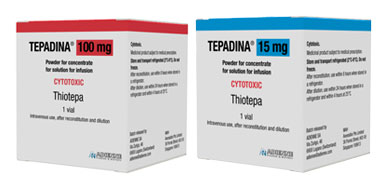
Secondly, thiotepa injection has certain advantages in use. Due to its relatively stable chemical properties, the injection form facilitates clinical control of dosage and administration speed, and is suitable for multiple administration routes such as intravenous drip or intraperitoneal injection. Clinically, based on the specific conditions of the patient, doctors will adjust the dosage to achieve maximum efficacy while minimizing side effects. Thiotepa has strong penetrating ability and can cross the blood-brain barrier, so it is also used in the treatment of certain brain tumors or central nervous system tumors. In addition, the resistance to thiotepa is relatively low, which has important clinical significance for patients undergoing long-term treatment or multiple chemotherapy treatments.
However, the use of thiotepa injection is also accompanied by certain side effects and precautions. The main side effects include bone marrow suppression, nausea, vomiting, alopecia and mucositis. Myelosuppression manifests as a decrease in white blood cells, platelets, and red blood cells. Patients need to closely monitor their blood during use, adjust the dose in a timely manner, or take supportive treatment to prevent the risk of infection and bleeding. In addition, sulfate has a certain impact on liver and kidney function, and patients with liver and kidney dysfunction should be careful when taking the drug. Because of its strong cytotoxicity, medical staff must strictly abide by protective measures when operating to avoid local irritation or damage caused by drug spillage or contact with the skin. Pregnant and lactating women should not take this medicine to avoid affecting the health of the fetus or newborn.
In summary, Thiotepa (Thiotepa) injection, as a powerful alkylating agent anti-tumor drug, is mainly used for the treatment of a variety of solid tumors and hematological tumors, especially in the pretreatment of ovarian cancer, lymphoma and bone marrow transplantation. It plays an important role. It can effectively destroy the DNA of cancer cells, inhibits tumor growth, and has better penetration and lower drug resistance. Although the efficacy is significant, attention should be paid to its bone marrow suppression and other side effects during use. Patients should use it rationally under the guidance of a professional doctor and regularly monitor physical indicators to ensure the safety of treatment and maximize the effect. In the future, with the deepening of clinical research, the indications and medication regimens of thiotepa may be more perfect, bringing new treatment hope to more tumor patients.
Reference materials:https://www.drugs.com/donanemab.html
[ 免责声明 ] 本页面内容来自公开渠道(如FDA官网、Drugs官网、原研药厂官网等),仅供持有医疗专业资质的人员用于医学药学研究参考,不构成任何治疗建议或药品推荐。所涉药品可能未在中国大陆获批上市,不适用于中国境内销售和使用。如需治疗,请咨询正规医疗机构。本站不提供药品销售或代购服务。


