
.jpeg)
Which treatment effect and applicability is better, Ribociclib or Dalsilide?
Ribociclib and Dalpiciclib (Dalpiciclib) are both CDK4/6 inhibitors that have received widespread attention in recent years, mainly for hormone receptors Treatment of patients with advanced or metastatic breast cancer that is positive (HR+) and human epidermal growth factor receptor 2negative (HER2-). The two have similarities in treatment mechanisms, but there are certain differences in clinical research, pharmacokinetics, efficacy performance and scope of application. This article will systematically analyze the therapeutic effects and applicability of Riboxil and Dalsilide from four aspects: drug mechanism, clinical efficacy, safety and applicability, and provide reference for clinical medication.
1. Comparison of drug mechanisms
Riboxiclib and dalcilib are both selective CDK4/6 inhibitors that can block the transition of the cell cycle from the G1 phase to the S phase and inhibit tumor cell proliferation. By inhibiting the key cell cycle proteins CDK4 and CDK6, they work together to prevent the disordered division of cancer cells. Although the targets are the same, there are subtle differences in molecular structure and target selectivity between the two, which may lead to differences in pharmacokinetics and drug resistance mechanisms, thereby affecting efficacy and safety.
2. Comparison of clinical efficacy
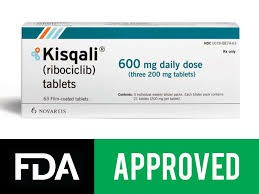
Riboxiclib, as one of the first globally approved CDK4/6 inhibitors, has been verified by multiple large-scale III phase clinical trials. Its combination with endocrine therapy (such as letrozole or fulvestrant) can significantly prolong the HR+/HER2-Progression-free survival (PFS) in patients with advanced breast cancer, and has shown overall survival (OS) benefit in some studies. The efficacy of ribociclib has been widely recognized and supported by clinical applications.
In contrast, dalcilib is an emerging CDK4/6 inhibitor. Multiple domestic clinical trials have shown that it has similar efficacy to reboxil. Dalsilide combined with endocrine therapy can also significantly improve the progression-free survival of patients. Some data also show that it has certain advantages in safety and tolerability, especially in controlling adverse reactions such as bone marrow suppression. However, due to its short time on the market, Dalsilil’s long-term survival benefit and large-scale multi-center data are still in the accumulation stage.
3. Safety and Tolerability Analysis
Common adverse reactions of Riboxiclib in clinical applications include neutropenia, abnormal liver function, fatigue, and prolongation of the electrocardiogramQT interval. Regular blood routine and electrocardiogram monitoring is required. Nonetheless, most patients tolerate its treatment, and adverse effects can be effectively managed with dose adjustment.
The safety profile of dalcilib shows that it may have a slight advantage in bone marrow suppression, hematological toxicity is milder than that of reboxil, and there are fewer reports of cardiotoxicity. It is better tolerated by patients and may lead to higher compliance and quality of life in clinical practice. This feature gives Dalsilide a potential advantage in certain special patient groups (such as elderly patients or those with more comorbidities).
4. Applicability and clinical selection
Riboxiclib, as an internationally recognized CDK4/6 inhibitor, is suitable for the vast majority of HR+/HER2- advanced breast cancer patients. It is especially widely used in newly diagnosed patients with less previous treatment history. It has wide global market coverage and rich clinical experience, and is currently one of the first-choice clinical drugs.
Dalsilide, as an emerging product, has been approved in some countries and regions. With its good tolerability and low incidence of adverse reactions, it has gradually attracted the attention of more clinicians. Especially in China and some Asian markets, Darsil's price advantage and localized services make it competitive. In the future, as more clinical data accumulates, dalsilide is expected to become an important choice for CDK4/6 inhibitors.
In summary, both Riboxiclib and Dalsilide are effective CDK4/6 inhibitors and can significantly improve the prognosis of HR+/HER2- advanced breast cancer patients. Riboxiclib is still the mainstream choice for international clinical treatment due to its earlier launch and rich clinical data; while dalsilide has gradually become an emerging drug worthy of attention due to its good safety and localization advantages. Specific drug selection should be based on the patient's individual situation, economic conditions, comorbidities and doctor's experience to formulate an individualized treatment plan to maximize the drug's efficacy and improve the patient's quality of life.
Reference materials:https://us.kisqali.com/
xa0
[ 免责声明 ] 本页面内容来自公开渠道(如FDA官网、Drugs官网、原研药厂官网等),仅供持有医疗专业资质的人员用于医学药学研究参考,不构成任何治疗建议或药品推荐。所涉药品可能未在中国大陆获批上市,不适用于中国境内销售和使用。如需治疗,请咨询正规医疗机构。本站不提供药品销售或代购服务。


