
.jpeg)
Tofacitinib citrate tablets information and medication guide
Tofacitinib citrate tablets are an oral small molecule targeted drug, which belongs to the Janus kinase (JAK) inhibitor class and is mainly used to treat a variety of immune-mediated inflammatory diseases. Its mechanism of action is to inhibit the activity of JAK enzyme and block the signaling pathways of multiple cytokines, thereby reducing the inflammatory response and the overactivity of immune cells. Since its launch, tofacitinib has become an important treatment option in the field of rheumatic diseases due to its good efficacy and convenient oral administration.
【Indications】
Tofacitinib Citrate Tablets are mainly suitable for the treatment of the following diseases:
Rheumatoid Arthritis (RA): For patients with moderately to severely active rheumatoid arthritis, especially those who have an inadequate response to or intolerance to traditional disease-modifying antirheumatic drugs (DMARDs). Tofacitinib can be used alone or in combination with DMARDs such as methotrexate.
Psoriatic arthritis (PsA): suitable for patients with active psoriatic arthritis.
Ankylosing spondylitis (AS): Approved for the treatment of ankylosing spondylitis in some countries and regions.
Moderately to severely active ulcerative colitis (UC): For adult patients who have failed or are intolerant to other treatments.
Other indications: Some countries have also approved tofacitinib for use in specific skin diseases such as plaque psoriasis, and specific use must be based on medical advice.
【Usage and Dosage】
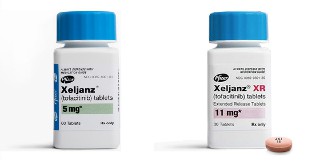
Tofacitinib tablets are generally administered orally, and the usual dosage for adults is 5 mg twice a day. For some serious cases or special indications, doctors may adjust the dose to 10 mg twice daily, but patient tolerance and safety should be strictly monitored. Elderly patients or patients with liver and kidney dysfunction should use it with caution and adjust the dose if necessary.
Patients should take medication on time as directed by their doctor and avoid increasing or decreasing the dosage or stopping medication on their own. It takes a certain amount of time for the drug to take effect, and it usually takes several weeks to several months of continuous use to observe obvious effects. During the medication period, you should go to the hospital for regular check-ups and adjust the treatment plan according to the condition.
【Notes】
Risk of infection: Tofacitinib suppresses the immune system and may increase the risk of bacterial, viral, fungal and other infections, including serious infections such as pneumonia, tuberculosis, herpes zoster, etc. Tuberculosis screening should be performed before treatment, and symptoms of infection should be closely monitored during treatment.
Hematological abnormalities: may cause leukopenia, anemia or thrombocytopenia. Regular blood routine testing is recommended.
Abnormal liver function: Liver function indicators need to be monitored, and abnormalities found should be dealt with promptly.
Cardiovascular risk: Some patients may be at increased risk of thromboembolic events, especially those with related medical history should use with caution.
Others: It is contraindicated for pregnant and lactating women, and avoid simultaneous use with certain immunosuppressants.
【Adverse reactions】
Common adverse reactions include upper respiratory tract infection, headache, gastrointestinal discomfort (such as diarrhea, nausea), hyperlipidemia, etc. Although serious adverse reactions are rare, high vigilance is required, such as serious infection, liver function damage, thrombotic events, etc. Once abnormalities occur, seek medical treatment promptly.
【Summary】
Tofacitinib Citrate Tablets, as a new type of oral JAK inhibitor, provide effective treatment options for patients with a variety of immune-related diseases. Its simple administration and remarkable efficacy make it widely used in clinical practice. However, due to its immunosuppressive effect, physician guidance must be strictly followed during use and adverse reactions and infection risks must be closely monitored. During the medication period, patients should have regular follow-up visits and maintain good communication with their doctors to ensure safe and rational use of medication and obtain the best therapeutic effect.
Reference materials:https://www.xeljanz.com/
[ 免责声明 ] 本页面内容来自公开渠道(如FDA官网、Drugs官网、原研药厂官网等),仅供持有医疗专业资质的人员用于医学药学研究参考,不构成任何治疗建议或药品推荐。所涉药品可能未在中国大陆获批上市,不适用于中国境内销售和使用。如需治疗,请咨询正规医疗机构。本站不提供药品销售或代购服务。


