
.jpeg)
Detailed explanation of whether tofacitinib is an immunosuppressant or a biological agent
Tofacitinib is a drug used to treat a variety of autoimmune diseases and is widely used in clinical settings, including rheumatoid arthritis, ulcerative colitis, psoriatic arthritis, etc. Because its mechanism of action overlaps with traditional immunosuppressants and biologics, many patients and health care providers will question its classification. So, is tofacitinib an immunosuppressant or a biological agent? This article will conduct a detailed analysis from multiple perspectives such as drug mechanism, action target, drug preparation method and clinical classification.
1. Tofacitinib is an immunosuppressant and not a biological agent.
First of all, it should be clear that tofacitinib is pharmacologically a "small molecule targeted drug" and is a selectiveJanuskinase (JAK) inhibitors, their core mechanism of action is to inhibit the JAK signaling pathway, thereby blocking the signal transduction of a variety of inflammatory factors and cytokines. This mechanism allows tofacitinib to effectively suppress the overactive inflammatory response in the immune system and achieve an immunosuppressive therapeutic effect.
Immunosuppressants refer to drugs that can reduce the body's immune function and suppress excessive immune responses. They are often used to treat autoimmune diseases and rejection reactions after organ transplantation. By inhibiting the JAK1 and JAK3 pathways, tofacitinib interferes with the activation and proliferation of T cells, B cells and other immune cells. It has a typical immunosuppressive effect, so it is scientific and reasonable to be classified as an "immunosuppressant".
2. Why is tofacitinib not a biological agent?
Biological agents usually refer to drugs produced using biotechnology, such as monoclonal antibodies, recombinant proteins, etc. expressed and purified using genetic engineering technology. Common biological agents include anti-TNF-α monoclonal antibodies (such as adalimumab), anti-IL-6 antibodies, IL-17 inhibitors, etc. Most of these drugs are large molecular proteins and need to be administered by injection.
Tofacitinib is different. It is a chemically synthesized small molecule drug with a clear molecular structure that can be used orally and does not require injection or infusion like large molecule biologics. This is a key point in distinguishing tofacitinib from biologics. Tofacitinib does not meet the definition of a biologic in the drug classification system.
In addition, from the perspective of drug registration and approval, regulatory agencies such as the National Medical Products Administration (NMPA) and the US FDA also classify tofacitinib as a "chemical drug" rather than a "biological product", which further confirms its positioning as not a biological agent.
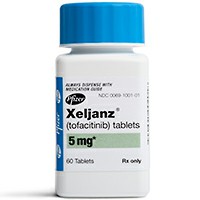
3. Differences and connections between tofacitinib and biological agents
Although tofacitinib is not a biological agent, in clinical applications, it is often used to replace biological agents, or to compare efficacy with biological agents, so the two are often mentioned together. The main differences between them are as follows:
1.Drug structure: Tofacitinib is a small molecule compound with low molecular weight; biological agents are large molecular proteins or antibodies.
2. Mode of administration: Tofacitinib can be taken orally, while biological agents usually require injection.
3.Immunomodulation method: Tofacitinib acts on the intracellular JAK signaling pathway; while biological agents mainly act on specific extracellular cytokines or their receptors (such as TNF-α, IL-6, etc.).
4.Production method: Tofacitinib is chemically synthesized; biological agents are produced by bioengineering means.
5. Cost and stability: Tofacitinib has relatively low production costs, better stability, and is easy to store and transport; biological agents are more expensive and require higher storage conditions.
Although the mechanisms are different, their therapeutic goals are the same—to regulate and suppress abnormally active immune system responses, relieve patient symptoms, and improve quality of life.
4. Clinical positioning and application prospects of tofacitinib
Tofacitinib was first approved by the FDA in 2012 for the treatment of rheumatoid arthritis, and was subsequently approved for the treatment of ulcerative colitis, psoriatic arthritis, etc. Due to its convenient oral administration and stable efficacy, it has received widespread clinical attention. Especially for some patients who have poor response or intolerance to biologic treatment, tofacitinib provides an important treatment option.
However, tofacitinib also has certain risks, such as increased chances of infection, dyslipidemia, thrombosis, etc. Therefore, it is necessary to closely monitor it during clinical use and evaluate the pros and cons based on individual circumstances.
To sum up, tofacitinib is a typical small molecule immunosuppressant and is not a biological agent. It achieves precise regulation of the immune system by inhibiting the JAK pathway and is widely used in the treatment of a variety of immune-related diseases. For patients who require long-term immunomodulatory treatment, tofacitinib has become an important alternative to biologics because of its convenient oral administration and clear effects. However, due to its immunosuppressive properties, it is still necessary to closely observe side effects during medication and use it scientifically according to medical advice.
Reference materials:https://www.xeljanz.com/
[ 免责声明 ] 本页面内容来自公开渠道(如FDA官网、Drugs官网、原研药厂官网等),仅供持有医疗专业资质的人员用于医学药学研究参考,不构成任何治疗建议或药品推荐。所涉药品可能未在中国大陆获批上市,不适用于中国境内销售和使用。如需治疗,请咨询正规医疗机构。本站不提供药品销售或代购服务。


