
.jpeg)
Lapatinib in the treatment of male breast cancer: whether there are differences in efficacy
Although male breast canceris extremely rare, treatment strategies differ significantly from female breast cancer. Most male breast cancers are hormone receptor-positive, but a small number also show HER2 overexpression. In this context, Lapatinib, a tyrosine kinase inhibitor targeting HER2, has been widely used in the treatment of female HER2-positive breast cancer. However, whether there is a difference in efficacy in male breast cancer has become a clinical concern.
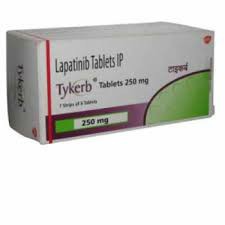
The mechanism of action of lapatinib does not fundamentally change based on gender. It blocks the proliferation and metastasis of cancer cells by inhibiting the HER2 and EGFR signaling pathways, which has the same mechanism of action in female patients. However, due to the small number of clinical samples of male breast cancer and the lack of support from large-scale randomized controlled studies, conclusions on the efficacy of lapatinib in male patients are still based on case studies and retrospective analyses. Existing literature suggests that in patients with HER2-positive male breast cancer, when lapatinib is combined with capecitabine, lesion shrinkage and tumor burden reduction similar to that in female patients can also be observed, indicating that its therapeutic mechanism is also applicable to men.
Nonetheless, differences in in vivo pharmacokinetics due to gender still need to be noted. For example, factors such as metabolic enzyme activity, body mass index, and hormone levels in male patients may affect the absorption and metabolism of lapatinib, resulting in slight differences in efficacy. In addition, because male breast cancer has relatively low awareness and diagnosis rates, it is often discovered at a later stage, which may affect the overall efficacy evaluation. Compared with women, male patients are more likely to have multiple underlying diseases, which increases the risk of adverse reactions and difficulty in management during treatment.
It is worth mentioning that as long as the HER2 expression status is clear, the application of lapatinib in HER2-positive male breast cancer still has a solid theoretical basis and clinical feasibility. HER2-targeted therapy for such patients can significantly improve the disease control rate and buy more time and opportunities for subsequent treatment.
Reference materials:https://medlineplus.gov/druginfo/meds/a607055.html
[ 免责声明 ] 本页面内容来自公开渠道(如FDA官网、Drugs官网、原研药厂官网等),仅供持有医疗专业资质的人员用于医学药学研究参考,不构成任何治疗建议或药品推荐。所涉药品可能未在中国大陆获批上市,不适用于中国境内销售和使用。如需治疗,请咨询正规医疗机构。本站不提供药品销售或代购服务。


