
.jpeg)
Teritusumab subcutaneous administration: is the efficacy better than intravenous injection?
Teritusumab (Teclistamab-cqyv) is a novel bispecificT cell engaging antibody (BiTE). Targets include BCMA (B cell maturation antigen) and CD3. This mechanism allows it to effectively bridge the contact between T cells and multiple myeloma cells, thereby activating T cells to kill tumor cells. Teritusumab has been approved for the treatment of patients with relapsed or refractory multiple myeloma (RRMM), especially those whose disease has progressed despite multiple front-line therapies (including proteasome inhibitors, immunomodulatory drugs, and CD38 monoclonal antibodies). In practical applications, there are two main modes of administration of teritusumab: subcutaneous injection and intravenous infusion. Then, from the perspectives of efficacy, safety, compliance, etc., whether subcutaneous administration is better than intravenous injection has become one of the focuses of attention of patients and clinicians.
First of all, from the perspective of pharmacokinetics, the key difference between subcutaneous administration and intravenous administration lies in the absorption rate and sustained release characteristics of the drug in the body. Teritusumab is absorbed slowly after subcutaneous administration, but can form a more stable and sustained blood concentration. This gentle drug release mechanism helps to reduce adverse reactions related to peak blood concentration, especially cytokine release syndrome (CRS) and neurotoxicity. This advantage is particularly important for bispecific antibodies in tumor immunotherapy, because the degree of T cell activation is directly related to the incidence of CRS, and CRS is an adverse event closely related to the peak concentration of the drug. In contrast, intravenous injection will quickly reach the peak blood concentration, thereby inducing a higher degree of immune activation and making severe CRS more likely.
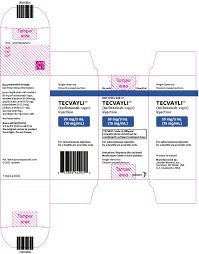
Secondly, subcutaneous administration shows significant advantages in terms of clinical convenience and patient compliance. Traditional intravenous injection usually requires a long infusion time, central venous access or more complex infusion devices, and must be performed in professional medical institutions, which is time-consuming and labor-intensive. Subcutaneous administration can be completed in outpatient clinics or day treatment centers, and even has the potential for home injection in the future (under strict monitoring), which greatly reduces the patient's stay in the medical setting and improves the accessibility and comfort of treatment. Especially for chronic diseases such as multiple myeloma that require long-term treatment and frequent follow-up, subcutaneous administration can significantly improve patients' quality of life and compliance.
In terms of efficacy, multiple overseas research institutions currently point out based on real-world data and comparative analysis of subcutaneous and intravenous administration that subcutaneous administration of teritusumab significantly reduces the incidence of severe CRS and neurological toxic events while maintaining a similar clinical response rate to intravenous injection. Although there is no "better" statistical difference in the overall efficacy, due to the enhanced ability to control toxic and side effects, the actual treatment cycle can be more stable, which indirectly improves the continuity and effectiveness of treatment. Therefore, from the perspective of overall treatment management, the subcutaneous administration mode is more practical and clinically advantageous.
In addition, subcutaneous delivery may also reduce the total medical costs associated with treatment. Intravenous drug administration is often accompanied by an increase in infusion management, monitoring equipment, and infusion time, which virtually increases the occupation of hospital resources and the economic burden on patients. Subcutaneous drug delivery is not only simple to operate, but also has low cost of treatment of complications. It is expected to become a more cost-effective treatment strategy, especially after large-scale promotion in the future.
Reference materials:https://www.tecvayli.com/
[ 免责声明 ] 本页面内容来自公开渠道(如FDA官网、Drugs官网、原研药厂官网等),仅供持有医疗专业资质的人员用于医学药学研究参考,不构成任何治疗建议或药品推荐。所涉药品可能未在中国大陆获批上市,不适用于中国境内销售和使用。如需治疗,请咨询正规医疗机构。本站不提供药品销售或代购服务。


