
.jpeg)
The full version of the instruction manual for upadatinib extended-release tablets: detailed explanation of usage, dosage and precautions
1. Indications:
Upadacitinib (Upadacitinib) is an innovative oral small molecule drug for the targeted treatment of autoimmune diseases. It belongs to the Janus kinase (JAK) inhibitor category and has a high degree of target selectivity. It mainly acts on the JAK1 pathway. It was developed by AbbVie and is widely used in the treatment of a variety of inflammatory and immune-related diseases, including rheumatoid arthritis, psoriatic arthritis, atopic dermatitis, ulcerative colitis, ankylosing spondylitis, axial spondyloarthritis and polyarticular juvenile idiopathic arthritis. The approval of these indications is based on a large number of clinical studies and real-world drug experience around the world, showing its significant advantages in efficacy and tolerability.
2. Mechanism of action:
The core mechanism of upadatinib is that it inhibits the activity ofJAK1 enzyme, thereby blocking the signaling of pro-inflammatory cytokines, including interleukin-6 (IL-6), interferon (IFN), etc. These factors play a key role in a variety of inflammatory diseases. Compared with traditional immunosuppressants, Upadacitinib exhibits stronger targeting and lower risk of systemic side effects, providing a new treatment option especially for patients who have poor response to conventional treatments.
3. Usage and dosage:
In terms of usage and dosage, the dosage of upadatinib varies depending on the indication, patient's age, weight, and disease severity.
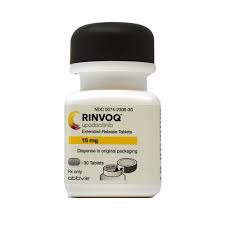
For the treatment of adults with rheumatoid arthritis, ankylosing spondylitis, and non-radiation axial spondyloarthritis, the recommended dose is 15 mg once daily in extended-release oral tablet form. This dose is considered a balance between effectiveness and safety. For patients with atopic dermatitis, individuals aged 12 years and above and weighing not less than 40 kg, the recommended starting dose is 15 mg once a day. If the response is not good after 8 weeks, it can be increased to 30 mg once a day, but care should be taken to assess the risk of adverse reactions; for patients over 65 years old, it is not recommended to exceed the 15 mg dose unless the benefits clearly outweigh the risks.
Patients with ulcerative colitis adopt a treatment strategy of induction+maintenance. During the initial 8-week induction period, 45 mg is given daily to alleviate the symptoms of intestinal inflammation to the greatest extent; then it enters the maintenance period. The conventional maintenance dose is 15 mg once a day. For patients with severe illness or poor response, it can be increased to 30 mg once a day. However, if there is still no response to the maximum dose, the drug should be discontinued in time to avoid delaying the opportunity for alternative treatment.
For psoriatic arthritis, the recommended dose for adults is also 15 mg once daily. For children, dosage is adjusted precisely based on body weight. It is worth emphasizing that pediatric patients use oral liquid dosage forms and cannot be substituted with adult sustained-release tablets. This is particularly important in home medication management.
The recommended usage for patients with Crohn's disease is similar to that for ulcerative colitis, including a 12-week induction period of 45 mg and a maintenance period ranging from 15 mg to 30 mg. Dosage selection needs to be dynamically adjusted based on clinical response and tolerability.
4. Things to note:
In terms of usage restrictions and precautions, upadatinib is prohibited from being used in combination with otherJAK inhibitors, biologic DMARDs, or strong immunosuppressants such as azathioprine and cyclosporine to avoid excessive suppression of the immune system, thereby increasing the risk of serious infections, tumors, and thrombosis. Especially for people with a history of tuberculosis, hepatitis B virus carriers, patients with active infections, or the elderly, special caution is required when using it. Before formal medication, comprehensive infection screening including tuberculin test, hepatitis B HBsAg, and anti-HBc testing is required, and regular liver function, blood routine, and lipid level monitoring are performed during the medication period.
Also note that upadatinib sustained-release tablets must be swallowed whole and must not be chewed, broken, or dissolved to avoid affecting the sustained-release mechanism, resulting in fluctuations in drug efficacy or increased adverse reactions. At the same time, combined use with CYP3A4 enzyme inhibitors such as grapefruit juice may increase the plasma concentration of the drug, so simultaneous ingestion should be avoided. For pregnant or lactating women, due to potential risks to fetal development, it should be strictly prohibited or alternative treatment should be carried out according to the guidance of a doctor.
5. Listing status
From the perspective of the global market, upadatinib has been approved in many countries such as Europe, the United States, and Japan, and has gradually entered the medical insurance catalog. In the Chinese market, its medical insurance negotiation position is also continuing to advance, especially in the fields of rheumatoid arthritis and atopic dermatitis, which has greatly improved drug accessibility for patients.
In general, upadatinib, as a highly selective target inhibitor of JAK1, provides an effective treatment option for patients with rheumatic, skin and intestinal autoimmune diseases with its clear mechanism, efficient relieving effect and controllable side effects. However, the drug still needs to be used under strict medical guidance, especially in terms of dose adjustment and infection risk assessment. Individual patient differences and potential medication risks should be comprehensively considered to ensure the safety and continuity of the treatment process.
Reference materials:https://www.rinvoq.com/
[ 免责声明 ] 本页面内容来自公开渠道(如FDA官网、Drugs官网、原研药厂官网等),仅供持有医疗专业资质的人员用于医学药学研究参考,不构成任何治疗建议或药品推荐。所涉药品可能未在中国大陆获批上市,不适用于中国境内销售和使用。如需治疗,请咨询正规医疗机构。本站不提供药品销售或代购服务。


