
.jpeg)
Precautions and advantages of using rasagiline combined with levodopa
Rasagiline (Rasagiline) is a selective, irreversible monoamine oxidase B type (MAO-B) inhibitor. It is mainly used for the treatment of Parkinson's disease (PD), especially in improving motor symptoms. Levodopa (Levodopa) is the most commonly used drug for Parkinson's disease and can effectively relieve patients' movement disorders. The combined use of rasagiline and levodopa has become a common strategy for the clinical treatment of Parkinson's disease. It can exert a synergistic effect and improve patient symptoms. At the same time, attention must be paid to safety and rational drug use principles during the combined use.
First of all, the advantages of combined use of rasagiline and levodopa are mainly reflected in improving motor function and delaying motor complications. Levodopa directly relieves the motor symptoms of Parkinson's disease by replenishing dopamine in the brain. However, as the treatment time is prolonged, patients often experience "on"-"off" phenomena and movement fluctuations. Rasagiline reduces the degradation of dopamine by inhibiting MAO-B enzyme activity, thereby increasing the effective concentration of dopamine in the brain and enhancing the therapeutic effect of levodopa. Multiple clinical studies have shown that combined use can significantly improve motor function, extend the time without movement fluctuations, reduce levodopa dose requirements, and thus reduce the occurrence of related side effects.
Secondly, combined medication can help patients better control symptoms and improve quality of life. Rasagiline can not only improve motor symptoms, but also relieve non-motor symptoms such as fatigue and depression. The synergistic effect of levodopa and rasagiline enables patients to more stably maintain their motor ability in daily activities, reduce tremor, stiffness and slowness of movement, and delay disease progression. Especially for patients with early- to mid-stage Parkinson's disease, rational combination of medications can significantly delay the occurrence of motor complications and reduce the frequency of treatment interruptions and medication adjustments.
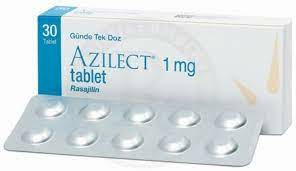
However, there are certain precautions during the combined use of rasagiline and levodopa. First, attention needs to be paid to drug-drug interactions and adverse reactions. As a MAO-B inhibitor, rasagiline may interact with certain drugs such as tricyclic antidepressants and certain sedatives, increasing the risk of elevated blood pressure or serotonin syndrome. When combined with levodopa, although generally safe, patients need to be monitored for adverse effects such as hypertension, hallucinations, anxiety, or hyperkinesia. Doctors should adjust the dosage according to the patient's specific conditions, especially elderly patients and those with cardiovascular and cerebrovascular diseases who need to use medication with caution.
Secondly, reasonable adjustment of dosage and medication time is crucial to improve the effect of combination therapy. Rasagiline is generally recommended to be taken once a day and is safe for long-term use. The dose of levodopa needs to be gradually adjusted according to the patient's condition and response to avoid excessive movement or drug-induced dyskinesia. In the early stage of combined medication, the patient's reaction should be closely observed and the treatment plan should be adjusted in a timely manner to ensure stable drug efficacy and control of side effects. Patients and their families should also understand the precautions for medication, take medication as directed by the doctor, and avoid increasing or decreasing the dosage on their own.
In addition, patient education and follow-up management should be strengthened during combined medication. Doctors should explain to patients in detail the mechanisms of action of rasagiline and levodopa, possible adverse reactions and countermeasures, and help patients establish correct medication understanding. Regularly follow up and evaluate the patient's exercise status, quality of life and psychological status, and adjust treatment strategies in a timely manner to ensure the best treatment effect. At the same time, combined with comprehensive measures such as rehabilitation treatment and dietary adjustment, it can help improve the patient's overall health.
In summary, the combination of rasagiline and levodopa is an important strategy in the treatment of Parkinson's disease, which can exert synergistic advantages and significantly improve motor symptoms and patients' quality of life. Rational drug use, scientific monitoring and individualized adjustment are the keys to ensuring the safety and effectiveness of treatment. Through close cooperation between doctors and patients, combined medication can help patients better cope with disease challenges, delay the progression of symptoms, and improve the overall treatment effect.
Reference materials:https://www.azilect.com/
[ 免责声明 ] 本页面内容来自公开渠道(如FDA官网、Drugs官网、原研药厂官网等),仅供持有医疗专业资质的人员用于医学药学研究参考,不构成任何治疗建议或药品推荐。所涉药品可能未在中国大陆获批上市,不适用于中国境内销售和使用。如需治疗,请咨询正规医疗机构。本站不提供药品销售或代购服务。


