
.jpeg)
Strategies for symptom rebound and relapse risk after discontinuation of Opicapone
Opicapone (Opicapone), as a new type of catechol-O-methyltransferase (COMT) inhibitor, is mainly used for adjuvant levodopa treatment in patients with Parkinson's disease to reduce the "on-off" phenomenon and prolong the drug effect time. However, patients may be at risk of symptom rebound after discontinuation of medication, manifested by rapid deterioration in motor function and intensification of “on--off” fluctuations. This rebound phenomenon is mainly due to the fact that the drug stops inhibiting COMT activity, resulting in accelerated metabolism of levodopa and a rapid decrease in drug blood concentration, resulting in aggravation of Parkinson's symptoms in a short period of time.
In view of the rebound of symptoms after discontinuation of opicapone, active clinical response strategies should be adopted. First, it is recommended to avoid abrupt discontinuation, especially in patients with unstable symptom control. Doctors usually develop a gradual drug reduction plan based on the patient's specific conditions to gradually reduce the dose of Opicapone to help patients adapt to the changes brought about by drug reduction and reduce the risk of sudden exacerbation of symptoms. In addition, timely adjustment of the dosage of other anti-Parkinsonian drugs, such as levodopa or dopamine receptor agonists, can also help alleviate symptom fluctuations.
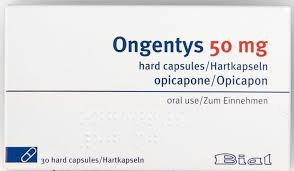
Secondly, patients should strengthen symptom monitoring after stopping medication and promptly report changes in motor function to their doctors. When symptoms worsen significantly, you should return to the clinic as soon as possible and resume medication or adjust the treatment plan if necessary. For high-risk patients, doctors may arrange follow-up visits and medication adjustment plans in advance to prevent the decline in quality of life caused by the rebound of severe symptoms. At the same time, patients and family members should understand the possible adverse reactions caused by discontinuation of medication, maintain good communication, and cooperate with doctors for individualized management.
In short, the risk of symptom rebound and recurrence after discontinuation of opicapone requires great attention. Through reasonable drug reduction strategies, close clinical monitoring and personalized drug adjustment, the adverse effects of drug withdrawal can be effectively alleviated and the stability of motor functions and quality of life of patients with Parkinson's disease can be ensured. Patients should strictly follow the doctor's instructions during the withdrawal process and report abnormal symptoms in a timely manner to ensure safe and smooth treatment.
Reference materials:https://www.ongentys.com/
[ 免责声明 ] 本页面内容来自公开渠道(如FDA官网、Drugs官网、原研药厂官网等),仅供持有医疗专业资质的人员用于医学药学研究参考,不构成任何治疗建议或药品推荐。所涉药品可能未在中国大陆获批上市,不适用于中国境内销售和使用。如需治疗,请咨询正规医疗机构。本站不提供药品销售或代购服务。


