
.jpeg)
Tepotinib drug interactions and recommendations for avoiding medication conflicts
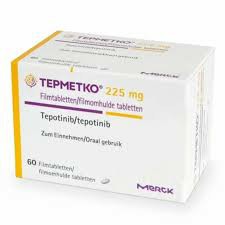
Tepotinib is a selective METtyrosine kinase inhibitor, mainly used to treat METexon14 non-small cell lung cancer patients with positive skipping mutations. In clinical application, tepotinib may interact with other drugs, affecting the metabolism and efficacy of the drugs, and even increasing the risk of adverse reactions. Therefore, understanding its major drug interactions and taking corresponding medication management measures are crucial to ensuring the safety and effectiveness of treatment.
First of all, tepotinib is mainly metabolized by the liver cytochrome P450 enzyme system, especially CYP3A4. Therefore, coadministration with strong CYP3A4 inhibitors (such as ketoconazole, itraconazole) or inducers (such as rifampicin, phenobarbital) may significantly alter the plasma concentration of tepotinib. CYP3A4Inhibitors may increase the plasma concentration of tepotinib and increase the risk of toxicity; while inducers may reduce the efficacy of the drug and affect the therapeutic effect. Clinically, it is recommended to avoid the concurrent use of potent CYP3A4 modulators. If combined use is necessary, the efficacy and adverse reactions should be closely monitored, and the dose of tepotinib should be adjusted if necessary.
Secondly, tepotinib may also affect the metabolism of other drugs, especially by inhibiting or inducing drug transporters such as P-glycoprotein (P-gp) or organic anion transporting polypeptide (OATP), affecting the plasma concentration of concomitant drugs. For example, when certain cardiovascular drugs or anti-tumor drugs are co-administered, one needs to be alert to potential drug concentration changes that may lead to increased toxicity or reduced efficacy. Physicians should carefully evaluate the patient's medication list to avoid potential drug conflicts.
Third, in order to avoid medication conflicts, it is recommended that patients truthfully inform their doctors of all prescription drugs, over-the-counter drugs, herbal medicines and nutritional supplements before starting tepotinib treatment. Doctors should develop a reasonable medication plan based on drug metabolism pathways. When necessary, use a combination of drug concentration monitoring and clinical evaluation to adjust drug dosage in a timely manner. In addition, avoid concurrent use of drugs that may affect cardiac electrophysiology to prevent the potential risk of QT interval prolongation with tepotinib.
Finally, patients should pay attention to their own reactions during treatment. If abnormal symptoms such as palpitations, severe fatigue, gastrointestinal discomfort, etc. occur, they should inform the doctor in time. Through reasonable medication management and monitoring, combined with individualized medication adjustment strategies, the risk of drug interactions can be effectively reduced, the safety and efficacy of tepotinib treatment can be improved, and patients can obtain better treatment results.
Reference materials:https://www.tepotinib.com/
[ 免责声明 ] 本页面内容来自公开渠道(如FDA官网、Drugs官网、原研药厂官网等),仅供持有医疗专业资质的人员用于医学药学研究参考,不构成任何治疗建议或药品推荐。所涉药品可能未在中国大陆获批上市,不适用于中国境内销售和使用。如需治疗,请咨询正规医疗机构。本站不提供药品销售或代购服务。


