
.jpeg)
Regorafenib (Regorafenib) Gastrointestinal Reaction Mitigation Strategies and Patient Guidance
Regorafenib is a multi-target tyrosine kinase inhibitor commonly used to treat tumors such as colorectal cancer and gastrointestinal stromal tumors. During the course of taking it, some patients may experience gastrointestinal reactions, such as nausea, vomiting, diarrhea, loss of appetite, etc. If these adverse reactions are not dealt with in time, they may affect treatment compliance and effectiveness, so targeted mitigation measures and patient education are needed.
First of all, for nausea and vomiting, it is recommended that patients avoid eating irritating foods before and after taking medicine, choose a digestible and light diet, and use antiemetic drugs, such as olanzapine or ondansetron, under the guidance of a doctor. The medication can be taken after eating to reduce stomach discomfort. For patients with poor appetite, they can eat small meals frequently and encourage the intake of high-protein and high-calorie foods. If necessary, they can consult a nutritionist.
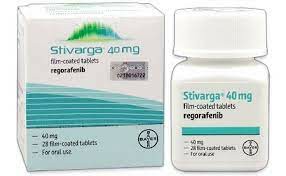
Diarrhea is one of the common side effects of regorafenib. Mild to moderate diarrhea can be maintained with oral rehydration salts to maintain electrolyte balance, and antidiarrheal drugs such as loperamide can be used if necessary. During diarrhea, greasy, dairy products and high-fiber foods should be avoided, and drinking more water should be encouraged to prevent dehydration. If the diarrhea is severe or accompanied by fever or blood in the stool, you should seek medical treatment promptly and the doctor will evaluate whether the medication needs to be suspended.
Patients should actively record the specific symptoms and occurrence time of gastrointestinal discomfort during the entire treatment period, and communicate with their doctors regularly. Medical staff should provide medication instruction manuals to patients and families, emphasizing the importance of early identification and management of gastrointestinal reactions. Through standardized management and individualized intervention, most gastrointestinal reactions can be effectively alleviated, thereby improving the patient's quality of life and the possibility of successful treatment.
Reference materials:https://www.stivarga-us.com/
[ 免责声明 ] 本页面内容来自公开渠道(如FDA官网、Drugs官网、原研药厂官网等),仅供持有医疗专业资质的人员用于医学药学研究参考,不构成任何治疗建议或药品推荐。所涉药品可能未在中国大陆获批上市,不适用于中国境内销售和使用。如需治疗,请咨询正规医疗机构。本站不提供药品销售或代购服务。


