
.jpeg)
Is it necessary to continue taking selumetinib for a long time after taking it?
Selumetinib is a MEK1/2 inhibitor mainly used to treat neurofibromatosis type 1 (NF1)-related plexiform neurofibromas (PNs). It was approved by the US FDA in 2020 for the treatment of symptomatic PNs in pediatric patients. As one of the representatives of targeted therapies, the clinical use of this drug is different from traditional chemotherapy or short-term anti-inflammatory drugs, and it is more inclined to a long-term maintenance treatment model. One of the questions that many patients and families are most concerned about when choosing such targeted drugs is: Does taking selumetinib mean the need for long-term or even continuous medication? The answer is yes, especially if the condition is not completely stable or if symptoms recur.
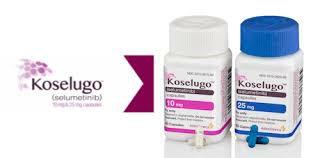
The mechanism of action of selumetinib is by inhibitingMEK enzyme activity, thereby interfering with the RAS/RAF/MEK/ERK signaling pathway. This pathway is continuously activated in a variety of tumors and abnormal cell proliferation diseases. For non-malignant but highly proliferative diseases such as NF1-related plexiform neurofibromas, drugs cannot "radically cure" them, but can relieve symptoms, inhibit tumor growth, and improve quality of life. Therefore, in clinical applications, once selumetinib is started, long-term use is usually recommended as long as the patient's condition remains under control.
Another basis for long-term use of selumetinib comes from its maintenance of efficacy. Studies have shown that after stopping medication, some patients may experience an increase in tumor volume or worsening of pain symptoms within weeks to months, suggesting that the efficacy of the drug depends on a sustained mechanism. This phenomenon is especially obvious in pediatric patients, so current clinical practice generally recommends that treatment should not be interrupted unless serious adverse reactions occur or specific discontinuation criteria are met.
However, long-term medication also brings drug resistance and safety issues. Common side effects of selumetinib include rash, diarrhea, abnormal liver function, vision changes, etc. Long-term use may aggravate these side effects.
Reference materials:https://www.koselugo.com
[ 免责声明 ] 本页面内容来自公开渠道(如FDA官网、Drugs官网、原研药厂官网等),仅供持有医疗专业资质的人员用于医学药学研究参考,不构成任何治疗建议或药品推荐。所涉药品可能未在中国大陆获批上市,不适用于中国境内销售和使用。如需治疗,请咨询正规医疗机构。本站不提供药品销售或代购服务。


