
.jpeg)
What are the principles for dose adjustment of trientine in pediatric patients?
The use of Trientine(Trientine) is gradually increasing in children with Wilson's disease, mainly due to its relatively safe side effect profile. Because the liver is immature and the metabolic function is still developing, pediatric patients have different responses to drugs. Therefore, when using trientine treatment, the principle of individualized dose adjustment must be strictly followed.
In children, the recommended starting dose of trientine is generally 1520 mg/kg per day, taken in 2 to 3 divided doses. The dose can be adjusted appropriately according to the patient's weight and disease progression, and the maximum dose should not exceed the adult dose standard (generally 1200-1500 mg per day). The goal of treatment is to maintain serum free copper concentration within a safe range while promoting effective excretion of copper.
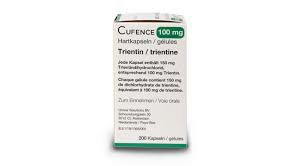
It is worth noting that trientine should be taken on an empty stomach, that is, 1 hour before a meal or 2 hours after a meal to avoid chelation reactions with metal ions in the meal (such as iron, zinc, calcium, etc.) and affect its bioavailability. Pediatric patients should regularly undergo liver function tests, 24-hour urinary copper excretion monitoring, and serum copper protein level assessment during use, as important basis for adjusting dosage and evaluating efficacy.
Medication compliance is particularly important among pediatric patients, who often require lifelong treatment, and the monitoring role of parents cannot be ignored. Families need to be under the guidance of professional doctors to ensure that their children take medicines on time and in the right amount, and be alert to drug-related adverse reactions, such as gastrointestinal discomfort, rashes or rare allergic reactions.
In summary, the use of trientine in children requires consideration of the particularity of pharmacokinetics. Achieving long-term stability of copper metabolism through individualized dose design and dynamic efficacy evaluation is an important strategy to achieve disease relief and delay complications. Reasonable dose adjustment not only affects the therapeutic effect, but is also directly related to the patient's future quality of life and prognosis.
Reference materials:https://www.cufence.com/
[ 免责声明 ] 本页面内容来自公开渠道(如FDA官网、Drugs官网、原研药厂官网等),仅供持有医疗专业资质的人员用于医学药学研究参考,不构成任何治疗建议或药品推荐。所涉药品可能未在中国大陆获批上市,不适用于中国境内销售和使用。如需治疗,请咨询正规医疗机构。本站不提供药品销售或代购服务。


