
.jpeg)
Isatuximab combined with pomalidomide and dexamethasone wins approval in China for multiple myeloma
China’s National Medical Products Administration (NMPA) has approved isatuximab irfc; Sarclisa) in combination with pomalidomide(Pomalidomide and dexamethasone for the treatment of adult patients with multiple myeloma (MM) who have received at least one prior therapy, including lenalidomide and a proteasome inhibitor.
This regulatory decision is supported by results from the pivotalPhase 3 ICARIA MM trial (NCT02990338), which used the China IsaFiRsT real-world study as bridging data. At a median follow-up of 52.4 months, the median investigator-assessed progression-free survival (PFS) of patients (n=154) who received isatuximab in combination with pomalidomide and dexamethasone was 11.1 months (9 5% CI, 7.8-13.8), compared with 5.9 months (95% CI, 4.5-7.9) for those who received pomalidomide and dexamethasone alone (n = 153; HR, 0.57; 95% CI, 0.44-0.73; one-sided P < .0001). 2 Median overall survival (OS) was 24.6 months (95% CI, 20.3-31.3) and 17.7 months (1995% CI, 14.4-26.2) respectively (HR, 0.78; 95% CI, 0.59-1.02; one-sided P=0.0319).
Results from the ICARIA-MM Phase 3 study, coupled with the real-world IsaFiRsT study, highlight the benefits of [isatuximab] for patients with multiple myeloma and the importance of innovative regulatory pathways for timely access to different treatments. Isatuximab is a monoclonal antibody directed against CD38, designed to bind to a specific epitope on the CD38 receptor on multiple myeloma cells. The drug induces antitumor activity through multiple mechanisms of action, including apoptotic and immunomodulatory activities.
ICARIA-MM is a multicenter, open-label study enrolling adult patients with relapsed/refractory multiple myeloma who have failed at least 2 prior therapies with lenalidomide and a proteasome inhibitor, either alone or as a combination component. 2 Patients who were refractory to previous anti-CD38 therapy, had previous exposure to pomalidomide, had an ECOG performance status greater than 2, sustained toxic effects from prior therapy greater than grade 2, had active primary amyloid light chain amyloidosis, or concomitant plasma cell leukemia were excluded from the study.
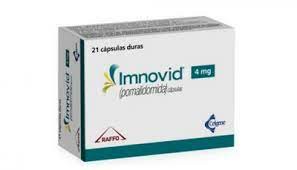
Eligible patients can order Patients were randomly assigned to the study group or control group in a 1:1 ratio. In the study arm, patients received isatuximab at a dose of 10 mg/kg intravenously (IV) on days 1, 8, 15, and 22 of cycle 1 and on subsequent days 1 and 15. 1. Combined with intravenous or oral dexamethasone 40 mg on days 8, 15 and 22 (20 mg if age ≥75 years), and oral pomalidomide 4 mg on days 1 to 21. Patients in the control group received only dexamethasone and pomalidomide via the same dosing regimen as the experimental group.
The primary endpoint was PFS per independent review committee. Key secondary endpoints include overall response rate (ORR) and OS. Median PFS on subsequent treatment or death (PFS2), ORR on further treatment, PFS on first line of further treatment, and time to next treatment (TNNT) were used as exploratory endpoints.
Other data from ICARIA-MM showed that the ORR in the study group was 63% (95% CI, 55%-71%), compared with 33% (95% CI, 26%-41%) in the control group. The median PFS2 were 17.5 months (95% CI, 14.9-19.2) and 12.9 months (95% CI, 10.1-16.6) respectively (HR, 0.735; 95% CI, 0.569-0.950; log-rank P=0.0091). The median TNNT was 15.5 months (95% CI, 12.1-19.8) and 8.9 months, 95% CI, 6.3-11.5 (HR, 0.548; 95% CI, 0.417-0.718; P<0.0001).
The median treatment time was 11.0 months (range, 2.6-12.4) in the study group and 5.5 months (range, 4.4-21.8) in the control group. Safety study results showed that 74% and 61% of patients reported treatment-related serious adverse reactions, respectively. Fatal treatment-emergent adverse reactions (TEAEs) occurred in 15% and 13% of patients, respectively. The most common TEAEs of any grade in both groups included neutropenia, infusion-related reactions, and upper respiratory tract infection.
In addition to being approved byNMPA, the guidelines of the Chinese Society of Clinical Oncology and the Chinese Anti-Cancer Association also list isatuximab plus pomalidomide and dexamethasone as a Category 1 recommended drug, which is also the drug of choice for the treatment of multiple myeloma patients at the first relapse.
Reference: https://www.onclive.com/view/isatuximab-plus-pomalidomide-and-dexamethasone-receives-approval-in-china-for-relapsed-refractory-multiple-myeloma
[ 免责声明 ] 本页面内容来自公开渠道(如FDA官网、Drugs官网、原研药厂官网等),仅供持有医疗专业资质的人员用于医学药学研究参考,不构成任何治疗建议或药品推荐。所涉药品可能未在中国大陆获批上市,不适用于中国境内销售和使用。如需治疗,请咨询正规医疗机构。本站不提供药品销售或代购服务。


