
.jpeg)
What are the precautions for Teclistamab-cqyv?
In the clinical study of teritusumab (Teclistamab-cqyv) for the treatment of multiple myeloma (MM), warnings and precautions such as cytokine release syndrome (CRS) and neurotoxicity (includingICANS) appeared. Discontinue and resume at reduced dose upon recovery, or permanently discontinue based on severity.
1. Cytokine release syndrome (CRS): may include life-threatening or fatal reactions, with clinical signs and symptoms including but not limited to fever, hypoxia, chills, hypotension, sinus tachycardia, headache, and elevated liver enzymes (elevated aspartate aminotransferase and alanine aminotransferase). Initiate treatment according to an escalating dose regimen of the drug to reduce the risk of CRS. Administer pretreatment medications to reduce the risk of CRS and monitor patients accordingly after administration of teritusumab. Once signs of CRS appear, immediately assess whether the patient needs hospitalization. Supportive care is given based on severity, and further treatment is considered according to current practice guidelines. Teritusumab is only available through a restricted program under REMS.
2. Neurotoxicity, includingICANS: Can lead to severe or life-threatening neurotoxicity, including immune effector cell-associated neurotoxic syndrome (ICANS) . The most common neurotoxicities are headache, motor dysfunction, sensory neuropathy, and encephalopathy. With the extension of follow-up time. The emergence of ICANS can occur simultaneously with CRS, after CRS has been resolved, or in the absence of CRS.
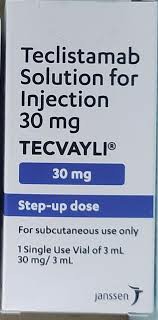
Monitor patients for signs and symptoms of neurotoxicity during treatment. At the first sign of neurotoxicity (including ICANS), assess patients immediately and provide supportive care based on severity. Due to potential neurotoxicity, patients receiving teritusumab are at risk for decreased level of consciousness. Advise patients to avoid driving or operating heavy or potentially hazardous machinery during and for 48 hours after completion of the teritusumab escalating dose regimen and in the event of any new symptoms of neurotoxicity until the neurotoxicity resolves.
3. Hepatotoxicity: including death. May result in elevated aspartate aminotransferase (AST), elevated alanine aminotransferase (ALT), total bilirubin, and elevated liver enzymes with or withoutCRS. Monitor liver enzymes and bilirubin at baseline and during treatment as clinically indicated.
4. Infection: Can cause serious, life-threatening or fatal infection. Monitor patients for signs and symptoms of infection before and during treatment with teritusumab and initiate appropriate treatment. Use prophylactic antimicrobials according to guidelines. Monitor immunoglobulin levels during teritusumab therapy and administer treatment according to guidelines, including infection prophylaxis and antibiotic or antiviral prophylaxis.
5. Neutropenia: can lead to neutropenia and febrile neutropenia. Monitor complete blood counts at baseline and periodically during treatment, and provide supportive care according to local institutional guidelines. Monitor patients with neutropenia for signs of infection.
6. Allergy and other drug administration reactions: Can cause systemic drug administration-related reactions and local injection site reactions.
7. Embryonic-Fetal Toxicity: Based on its mechanism of action, teritusumab may cause harm to the fetus when used in pregnant women. Inform pregnant women of potential risks to the fetus. Advise females of reproductive potential to use an effective method of contraception during treatment with teritusumab and for 5 months after the last dose.
Reference materials:https://www.tecvayli.com/
[ 免责声明 ] 本页面内容来自公开渠道(如FDA官网、Drugs官网、原研药厂官网等),仅供持有医疗专业资质的人员用于医学药学研究参考,不构成任何治疗建议或药品推荐。所涉药品可能未在中国大陆获批上市,不适用于中国境内销售和使用。如需治疗,请咨询正规医疗机构。本站不提供药品销售或代购服务。


