
.jpeg)
Brief introduction to the instruction manual of Teclistamab-cqyv
1. Introduction to drug mechanism
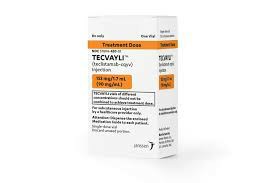
The pharmacological core of teritusumab (Teclistamab-cqyv ) is its "bispecific" structure. One end of it targets the B cell maturation antigen (BCMA) on the surface of tumor cells, and the other end combines with the body's own CD3+ T cells to achieve an immune bridging mechanism of "T cells guide the killing of cancer cells." This connection activates T cells to directly attack BCMA-expressing myeloma cells, thereby achieving targeted elimination of cancer cells. Unlike traditional chemotherapy, it does not require exogenous cell infusion and is a "ready-made immune weapon" with the advantages of repeatable administration and continuous disease control.
2. Description of indication scope
Based on the currentFDA approval information, teritusumab is suitable for the treatment of patients with multiple myeloma who have received at least four different types of treatment regimens in the past. These programs should include the following key categories:
Proteasome inhibitors (such as bortezomib, carfilzomib)
Immunomodulators (such as lenalidomide, pomalidomide)
AntiCD38 monoclonal antibody (such as daratumumab)
These patients often have become resistant to standard treatments, so the use of teritusumab could provide new hope for these patients who have "exhausted treatment options". It should be noted that this drug is not yet widely used in treatment-naïve or low-risk patients and must be administered in a professional medical setting.
3. Detailed usage and dosage introduction
Territuzumab is administered by subcutaneous injection (Subcutaneous Injection), which is operated by a doctor or professional nurse in a specific medical environment. The main injection site is the abdomen, thigh or upper arm. Its administration cycle and dosage have distinct immune management characteristics, including two parts: the "increasing dose phase" and the "maintenance treatment phase".
1. Step-up Dosing:
In order to minimize the occurrence of immune-related side effects such as cytokine release syndrome (CRS), an ascending dosing schedule is adopted at the beginning of treatment: Day 1: 0.06 mg/kg (incremental dose 1); Day 4: 0.3 mg/kg (incremental dose 2); Day 7: 1.5 mg/kg (first official treatment dose)
Patients at this stage need to be hospitalized for at least 48 hours of observation after each dose to ensure that doctors can deal with any discomfort or abnormal reactions caused by immune activation as soon as possible. Especially between the first and second dose, or between the second dose and the first therapeutic dose, an interval of 2-4 days is recommended, with a maximum of 7 days.
2. Maintenance Dosing:
After the escalating dose, teritusumab enters the conventional treatment phase: Conventional dose: 1.5 mg/kg once a week
When the patient achieves complete remission (CR) or better for at least 6 consecutive months, the dosing frequency can be adjusted to: Biweekly dose: 1.5 mg/kg, once every two weeks
Physicians will evaluate whether it is appropriate to extend the dosing cycle based on patient response. This personalized adjustment strategy can improve the quality of life and reduce the burden of long-term treatment while ensuring the efficacy.
4. Medication precautions and monitoring suggestions
Self-injection or home administration is not recommended: this drug involves intense immune system activation and administration must be done in a hospital or designated medical center.
Be alertImmune side effects such as CRS: Immune activation reactions such as fever and blood pressure fluctuations may occur in the initial stage. Anti-inflammatory drugs such as tocilizumab and other interventions may be needed if necessary.
Continuous monitoring of blood indicators: White blood cells, liver and kidney function, electrolytes, electrocardiogram and other indicators need to be regularly monitored during medication to ensure the safety of treatment.
Avoid high-risk environments for infection: Because immune system activation or suppression may coexist, patients need to avoid crowd gatherings and unnecessary outings, and perform preventive anti-infection management when necessary.
Reference materials:https://www.tecvayli.com/
[ 免责声明 ] 本页面内容来自公开渠道(如FDA官网、Drugs官网、原研药厂官网等),仅供持有医疗专业资质的人员用于医学药学研究参考,不构成任何治疗建议或药品推荐。所涉药品可能未在中国大陆获批上市,不适用于中国境内销售和使用。如需治疗,请咨询正规医疗机构。本站不提供药品销售或代购服务。


