
.jpeg)
Nintedanib treatment instructions for idiopathic pulmonary fibrosis
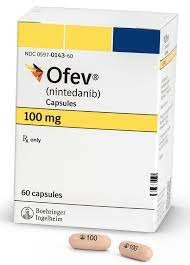
As the incidence of idiopathic pulmonary fibrosis (IPF) continues to rise, patients and their families are paying more and more attention to therapeutic drugs that can effectively delay the progression of the disease. Nintedanib (Nintedanib), also known as VEGAT (trade name OFEV), is one of the core anti-fibrosis therapeutic drugs currently recommended by international guidelines. It has been approved for use in many countries and regions around the world, and has been officially launched in China for the treatment of various interstitial pulmonary diseases. So, how should nintedanib be used to treat pulmonary fibrosis? What types of patients does it work for? What are the precautions?
1. Basic information about nintedanib
Drug name: Nintedanib
English name:Nintedanib
Product name:OFEV (overseas product name), VEGAT (marketed name in China)
Drug category: Multi-target tyrosine kinase inhibitors (TKI)
Drug form: oral capsule
Main mechanism of action: By inhibiting VEGFR, FGFR, PDGFR and other tyrosine kinase signaling pathways, it intervenes in the progression of abnormal fibrosis in lung tissue, thereby slowing down further damage to lung function.
2. Main indications of nintedanib
Nintedanib is not only suitable for patients with idiopathic pulmonary fibrosis, but also plays an important role in the treatment of various interstitial lung diseases:
1. Idiopathic pulmonary fibrosis (IPF): IPF is a progressive interstitial lung disease of unknown etiology. Patients usually present with dyspnea, dry cough and continued decline in lung function. Nintedanib is one of the preferred anti-fibrotic drugs in this disease and can effectively slow down the decline of lung function (such as FVC).
2. Chronic fibrosing interstitial lung disease with progressive phenotype (PF-ILD): Including idiopathic non-specific interstitial pneumonia (NSIP), rheumatic lung disease-related ILD, etc. Nintedanib can be used to slow the progression of the disease in these patients.
3. Systemic sclerosis-related interstitial lung disease (SSc-ILD): Nintedanib also has a good effect in delaying the deterioration of lung function in pulmonary fibrosis caused by this systemic connective tissue disease, and has been approved by multiple regulatory agencies around the world.
3. Standard usage and dosage of nintedanib
Correctly mastering the way you take nintedanib is the key to ensuring its efficacy and reducing side effects:
1. Standard recommended dosage: each time150 mg orally twice a day, for a total of 300 mg per day. Each dose should be taken with food. When taking, swallow the capsule whole and avoid chewing, crushing or opening the capsule.
2. Medication time interval: Two doses should be approximately 12 hours apart, such as 8 a.m. and 8 p.m. Taking medication regularly over a long period of time helps maintain a stable concentration of the drug in the body.
3. Treatment of missed doses: If you miss a dose, you should not take it again, but should wait for the next dose. Never take double the dose to make up for a missed dose.
4. Dose adjustment in patients with hepatic insufficiency
For patients with mild hepatic impairment (Child-Pugh A), the recommended dose adjustment is 100 mg twice daily.
Nintedanib is not recommended in patients with moderate or severe hepatic impairment (Child-Pugh B or C) due to increased drug metabolism and safety risks.
4. Precautions and management suggestions for taking nintedanib
1. Common adverse reactions: The most common side effects include: diarrhea, nausea, decreased appetite, elevated liver enzymes, etc. Diarrhea may affect daily life and should be controlled with antidiarrheal drugs under the guidance of a doctor.
2. Monitoring requirements: Liver function (ALT/AST, bilirubin), blood routine and renal function need to be monitored regularly before and during treatment to prevent drug accumulation or worsening of side effects.
3. Dietary recommendations: It is recommended to eat a low-fat, mild diet and avoid irritating foods while taking the medicine, which can reduce gastrointestinal discomfort.
Reference materials:https://en.wikipedia.org/wiki/Nintedanib
[ 免责声明 ] 本页面内容来自公开渠道(如FDA官网、Drugs官网、原研药厂官网等),仅供持有医疗专业资质的人员用于医学药学研究参考,不构成任何治疗建议或药品推荐。所涉药品可能未在中国大陆获批上市,不适用于中国境内销售和使用。如需治疗,请咨询正规医疗机构。本站不提供药品销售或代购服务。


