
.jpeg)
Comparative analysis of the therapeutic effects of capmatinib and crizotinib
Capmatinib and crizotinib (Crizotinib) are targeted therapeutic drugs targeting MET gene mutations and are mainly used to treat non-small cell lung cancer. (NSCLC) There is a METexon14 skipping mutation (METex14 patients with skipping) or MET amplification. With the development of precision medicine, the comparison of the efficacy, applicable populations, adverse reactions and clinical studies of these two drugs has become the focus of attention of patients and doctors.
First of all, from the mechanism of action, capmatinib is a highly selective MET inhibitor, while crizotinib was originally developed for ALK and span>ROS1positiveNSCLC treatment, but it also has a certain inhibitory effect on MET. However, in terms of targeting and affinity, capmatinib has stronger selectivity and binding ability for MET, and therefore shows better therapeutic prospects in patients with METex14 mutations. Based on data from theGEOMETRY mono-1 clinical trial, capmatinib is effective in previously untreatedMETex14 The objective response rate (ORR) was as high as 68% in NSCLC patients and 41% in previously treated patients. In contrast, the efficacy of crizotinib in patients with METex14 mutations is relatively low, with ORR usually around 30%-40%.
Secondly, in terms of disease control, capmatinib’s progression-free survival (PFS) performance is also better than that of crizotinib. withGEOMETRY mono-1For example, the median PFSof untreated patients is 12.4 months, while the PFS of crizotinib in a similar population is generally 7-8About months. In addition, the efficacy of capmatinib in patients with brain metastases has also attracted attention. Some studies have shown that capmatinib has a certain ability to penetrate the central nervous system and can control brain metastases, while crizotinib has relatively limited control over brain lesions due to its weak ability to penetrate the blood-brain barrier.
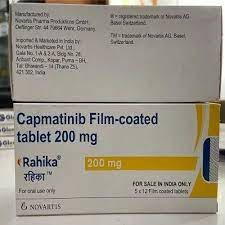
From a safety perspective, the common side effects of the two drugs differ slightly. The most common adverse reactions of capmatinib include peripheral edema, nausea, vomiting, loss of appetite, and elevated liver enzymes. Some patients may experience rare but important side effects such as pulmonary inflammation. Common adverse reactions of crizotinib include visual disturbances, gastrointestinal reactions (such as nausea, diarrhea), fatigue and abnormal liver function. Overall, both are well tolerated, but the adverse reaction spectrum of capmatinib is easier to manage, especially in long-term use.
In addition, in terms of drug accessibility and medical insurance policies, capmatinib has been successfully launched in China and has been included in the medical insurance system. Although it has not yet been fully rolled out in some hospitals due to its short time on the market, it is already available through formal channels. In contrast, crizotinib has been on the market in China as early as 2013. It has rich clinical experience and a relatively low price. It is suitable for some patients with limited economic conditions and unable to obtain capmatinib. However, from the perspective of efficacy and precise matching, capmatinib is undoubtedly a better choice for patients with MET mutations.
To sum up, capmatinib has shown higher efficacy, longer disease control time and clearer targeting mechanism than crizotinib in treating METex14 mutated NSCLC patients, and is currently recognized as a first-line treatment option. Although crizotinib can still play a role in some patients with MET amplification or unspecified subtypes, its overall performance is inferior to capmatinib. In the future, with the release of more clinical research results and the improvement of medical insurance policies, capmatinib is expected to become the first-choice targeted drug for more patients with MET-related mutations.
Reference materials:https://www.novartis.com/our-products/pipeline/capmatinib
[ 免责声明 ] 本页面内容来自公开渠道(如FDA官网、Drugs官网、原研药厂官网等),仅供持有医疗专业资质的人员用于医学药学研究参考,不构成任何治疗建议或药品推荐。所涉药品可能未在中国大陆获批上市,不适用于中国境内销售和使用。如需治疗,请咨询正规医疗机构。本站不提供药品销售或代购服务。


