
.jpeg)
Which patients with lung cancer are suitable for Tepotinib? Medication Guide
Tepotinib is a targeted therapy drug mainly used to treat patients with specific types of non-small cell lung cancer (NSCLC). As an oral METtyrosine kinase inhibitor, tepotinib specifically targets MET gene abnormalities, especially MET exon 14 skipping mutations (MET exon 14 skipping mutation) patients, showing significant therapeutic effects. This article will introduce in detail the lung cancer patient groups for which tepotinib is applicable and its medication guidelines to help patients and medical staff better understand and apply this drug.
First of all, tepotinib is most suitable for patients with non-small cell lung cancer carrying MET exon 14 skipping mutations. This mutation occurs in a small proportion of patients with lung adenocarcinoma, but its clinical significance is significant. METExon 14 skipping mutations can lead to overactivation of MET protein and promote the growth and spread of tumor cells. Traditional chemotherapy and immunotherapy have limited efficacy in these patients, while Tepotinib inhibits MET kinase activity and blocks cancer cell signaling pathways, effectively delaying disease progression and improving patient survival.
Secondly, tepotinib is suitable for patients with locally advanced or metastatic non-small cell lung cancer, especially in second-line or subsequent treatment after failure of platinum-based chemotherapy or immunotherapy. Clinical trials have shown that tepotinib can significantly improve progression-free survival and response rate in these patients, and the drug is well tolerated. It may also be considered as a first-line treatment option for some patients, especially those for whom other treatments are not suitable or have severe side effects.
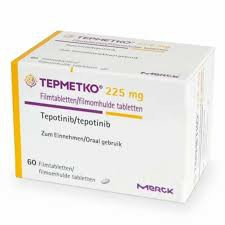
Regarding the medication guide, Tepotinib is administered orally. The recommended dose is 450 mg per day, taken once or in divided doses. It needs to be taken on an empty stomach or at least 1 hour before meals to ensure drug absorption. During the treatment process, patients should undergo regular imaging examinations to evaluate tumor response, while monitoring liver function, renal function and blood indicators to detect and deal with potential adverse reactions in a timely manner. Common side effects include edema, gastrointestinal reactions (such as diarrhea, nausea), rash, and elevated liver enzymes. If serious adverse reactions occur, the dosage must be adjusted or the drug temporarily discontinued according to the doctor's advice.
In addition, attention should be paid to drug interactions during the use of tepotinib, especially with potent tepotinibCYP3A4The combined use of inhibitors or inducers may affect its plasma concentration and efficacy. While taking Tepotinib, patients should inform their doctors of all the drugs and health care products they are using so that the treatment plan can be adjusted appropriately. Pregnant and breastfeeding women should avoid using this drug to avoid potential risks to the fetus or baby.
In conclusion, tepotinib provides a new and effective treatment option for non-small cell lung cancer patients carrying METexon14 skipping mutations. Through rational medication and scientific management, its efficacy can be maximized and the patient's quality of life and prognosis can be improved. Patients should strictly abide by the medication regimen under the guidance of a professional doctor, and regularly monitor and evaluate treatment effects to ensure medication safety and smooth treatment. As research continues to deepen, the application prospects of tepotinib in the treatment of lung cancer will become broader.
Reference materials:https://www.tepotinib.com/
[ 免责声明 ] 本页面内容来自公开渠道(如FDA官网、Drugs官网、原研药厂官网等),仅供持有医疗专业资质的人员用于医学药学研究参考,不构成任何治疗建议或药品推荐。所涉药品可能未在中国大陆获批上市,不适用于中国境内销售和使用。如需治疗,请咨询正规医疗机构。本站不提供药品销售或代购服务。


