
.jpeg)
Study on the effects of long-term use of Opicapone on liver and kidney function
Opicapone is a peripheral catechol-O-methyltransferase (COMT) inhibitor used to treat the "switch" phenomenon associated with dopamine replacement therapy in patients with Parkinson's disease. It improves motor symptoms by prolonging the action time of levodopa. With the promotion of clinical application, the long-term safety of Opicapone, especially its impact on liver and kidney function, has become the focus of attention.
Current clinical studies show that Opicapone has a mild effect on liver function. During long-term use of most patients, liver function indicators such as ALT, AST, total bilirubin, etc. remain within the normal range, and drug-induced liver injury is rarely reported. Mild liver enzyme elevations may occur in a small number of patients, but these are usually transient and resolve without discontinuation of the drug. In addition, the metabolism of opicapone is mainly carried out through the liver, but the direct toxicity of the drug itself to liver cells is low, and cases of severe liver injury are rare in clinical practice.
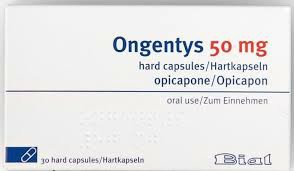
Opicapone also has a more limited impact on renal function. The drug is mainly metabolized by the liver and has a low renal excretion rate, so patients with renal insufficiency have a low risk of drug accumulation. Existing studies have found no evidence that long-term use of opicapone causes significant deterioration in renal function. However, patients with severe renal impairment still need to use medication with caution and regularly monitor renal function indicators to prevent potential risks.
In summary, Opicapone has generally less impact on liver and kidney function during long-term use and has good safety profile. However, in view of individual patient differences and the complexity of combined medications, it is recommended that liver and kidney function tests be performed regularly during treatment, especially for patients with underlying liver and kidney diseases, to ensure the safety of medication and to detect potential abnormalities in a timely manner, and to protect the patient's therapeutic effect and quality of life.
Reference materials:https://www.ongentys.com/
[ 免责声明 ] 本页面内容来自公开渠道(如FDA官网、Drugs官网、原研药厂官网等),仅供持有医疗专业资质的人员用于医学药学研究参考,不构成任何治疗建议或药品推荐。所涉药品可能未在中国大陆获批上市,不适用于中国境内销售和使用。如需治疗,请咨询正规医疗机构。本站不提供药品销售或代购服务。


