
.jpeg)
Is Selinexor and Bortezomib better together?
Selinexor is a selective nuclear export inhibitor (SINE). It mainly blocks the extranuclear transport of key molecules such as tumor suppressor proteins (such as p53) by inhibiting XPO1 protein, thereby enhancing apoptosis signals and inhibiting cancer cell growth. It is approved to treat multiple myeloma and certain types of lymphoma. Bortezomib (Bortezomib) is a proteasome inhibitor that can inhibit the protein degradation function of cancer cells and induce cell death. Both have been widely used in the treatment of multiple myeloma. In recent years, the question of whether the combined use of selinesol and bortezomib can achieve better therapeutic effects has become a focus of clinical research.
Mechanistically, selinesol and bortezomib have complementary pathways of action. Selinisol mainly acts on the information transmission channel between the nucleus and the cytoplasm to prevent tumor suppressor proteins from being exported incorrectly, while bortezomib interferes with the intracellular protein degradation system. This double-hit model is expected to more effectively induce apoptosis in cancer cells and delay the emergence of drug resistance. Preclinical studies have also shown that the combined use of these two drugs can significantly enhance the anti-tumor effect, especially showing stronger cytotoxicity in multiple myeloma cells.
In terms of clinical research, multiple trials have confirmed the potential of selinesol combined with bortezomib. One of the most representative studies is the BOSTON trial, a phase 3 clinical trial comparing selinesol + bortezomib span>The efficacy of dexamethasone (SVd regimen) and traditional bortezomib+dexamethasone (Vd regimen). The results showed that the SVd regimen significantly prolonged the progression-free survival (PFS) of patients, with a median PFSreached 13.9 months, which was significantly improved compared to Vd plan's 9.5 months. At the same time, the overall response rate (ORR) of the SVd regimen was also higher, reaching 76.4%, while the Vd group was 62.3%.
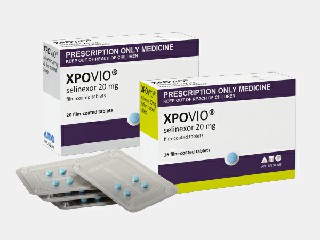
It is worth noting that SVdThe plan has also been optimized in terms of side effect management. In the BOSTON study, selinesol was administered at a low dose once a week, rather than at a high frequency as in earlier trials, which greatly reduced the incidence of adverse reactions. Compared with the traditional regimen, the SVd group had lower neurotoxicity, and gastrointestinal reactions, fatigue and hematological toxicity were all within controllable limits. This optimization of side effects improves the tolerability of the treatment and makes the combination regimen more feasible in the clinic.
Of course, not all patients are suitable for this combination treatment regimen. Although the combination of selinesol and bortezomib has shown superior efficacy in multiple myeloma, some patients may still experience significant side effects such as fatigue, nausea, and thrombocytopenia. Therefore, the patient's physical status needs to be closely monitored during treatment, and the dose or dosing interval needs to be flexibly adjusted according to tolerance. At the same time, the combination regimen is currently mainly used for patients with relapsed or refractory myeloma who have previously received 1~3 lines of treatment. The efficacy in newly diagnosed patients still needs further study.
In addition, ongoing studies are also exploring further combination treatment models, such as combining selinesol with bortezomib, immunomodulators (such as lenalidomide), and antibody drugs (such as daratumumab), in order to achieve more durable responses and higher response rates. Although these programs are still in the experimental stage, the preliminary data are promising.
In summary, the combination of selinesol and bortezomib shows clear advantages in the treatment of multiple myeloma. The two mechanisms of action are complementary, showing better efficacy and controllable safety in multiple studies, and are especially suitable for relapsed or refractory patients. Although side effects still need to be managed individually, current evidence suggests that this combination offers a new treatment option for patients with multiple myeloma. With the release of more research results in the future, this solution is expected to be further improved and promoted to wider clinical applications.
Reference materials:https://www.selincro.com/
[ 免责声明 ] 本页面内容来自公开渠道(如FDA官网、Drugs官网、原研药厂官网等),仅供持有医疗专业资质的人员用于医学药学研究参考,不构成任何治疗建议或药品推荐。所涉药品可能未在中国大陆获批上市,不适用于中国境内销售和使用。如需治疗,请咨询正规医疗机构。本站不提供药品销售或代购服务。


