
.jpeg)
Effects of long-term use of trientine to treat diseases on renal function
Trientine(Trientine) is an important drug in the treatment of Wilson's disease, and its safety and organ effects during long-term use have always been the focus of clinical attention. Trientine forms a stable complex with free copper and is excreted via the kidneys, making it highly dependent on the kidneys during use. Although it is better tolerated and has less toxic side effects than the traditional drug penicillamine, its potential impact on renal function still needs to be paid attention to in long-term use.
Patients with good renal function can usually safely maintain long-term treatment with trientine within the normal dosage range. However, since the excretion of copper complexes depends on the kidneys, if the patient originally has mild renal insufficiency, trientine chelate may increase the burden on the renal tubules and increase the risk of abnormal indicators such as urinary protein and blood creatinine. In this case, the physician needs to dynamically monitor the patient's renal function and adjust the drug dosage or change the treatment plan if necessary.
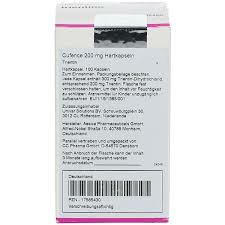
In addition, long-term medication may also lead to indirect effects such as electrolyte imbalance and obstruction of iron absorption, which also need to be controlled through nutritional intervention and renal function index testing. Current research shows that reports of severe nephrotoxicity caused by trientine are relatively rare, but individual individuals may be at risk due to individual differences, concomitant medication and other reasons. To ensure the safety of treatment, it is recommended that patients undergo renal function evaluation every 3-6 months during trientine treatment and maintain close communication with their attending physician.
Therefore, in the long-term treatment of copper accumulation diseases such as Wilson's disease, trientine is a relatively safe drug. Although its impact on the kidneys is generally controllable, the potential risks must not be ignored. Scientific medication use, regular testing, and individualized treatment strategies will help maximize drug efficacy while ensuring kidney health.
Reference materials:https://www.cufence.com/
[ 免责声明 ] 本页面内容来自公开渠道(如FDA官网、Drugs官网、原研药厂官网等),仅供持有医疗专业资质的人员用于医学药学研究参考,不构成任何治疗建议或药品推荐。所涉药品可能未在中国大陆获批上市,不适用于中国境内销售和使用。如需治疗,请咨询正规医疗机构。本站不提供药品销售或代购服务。


