
.jpeg)
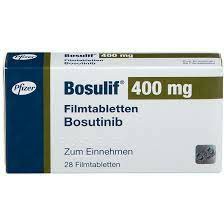
Bosutinib/bosutinib dosage guidelines and precautions
Bosutinib is an oral tyrosine kinase inhibitor (TKI), mainly used to treat patients with chronic myelogenous leukemia (CML), especially those who are resistant or intolerant to other TKIs. This drug effectively prevents the proliferation and spread of leukemia cells by inhibiting the kinase activity of the BCR-ABL fusion protein. It is an important part of modern targeted therapy.
1. Recommended usage and dosage
Bosutinib is usually administered orally once daily and is recommended with food to reduce gastrointestinal upset.
The common starting dose is 400mg to 500mg, which may be adjusted according to different disease stages and individual tolerance.
Do not increase or decrease the dosage or take medication intermittently on your own. The efficacy depends on stable drug blood concentration.
Avoid concurrent use with strong CYP3A4 inhibitors or inducers to avoid affecting drug metabolism.
2. Common side effects and management during medication
Gastrointestinal toxicity: Nausea, diarrhea and vomiting are the most common adverse reactions. Patients should take it with meals to relieve irritation, and may take anti-gastric drugs if necessary.
Myelosuppression: It may lead to a decrease in white blood cells, red blood cells or platelets. Blood routine should be monitored regularly. If severe suppression occurs, the dose should be suspended or reduced.
Hepatotoxicity: Elevated transaminases are common. Liver function needs to be checked regularly before taking the drug and during treatment to avoid combination with other hepatotoxic drugs.
Effects on renal function: A few patients experience elevated creatinine. Pay attention to urine changes and renal function indicators. Patients with renal insufficiency need to use medication with caution.
Cardiovascular toxicity: includingQT interval prolongation and hypertension. People with a history of heart disease should use it with caution and conduct electrocardiogram monitoring if necessary.
Fluid retention: such as edema, weight gain, etc., some patients need to adjust their diet or use diuretics.
Skin reactions and infection risks: Some people may develop rashes, itchy skin, or be susceptible to infection. They should increase their hygiene awareness and seek medical treatment in time.
3. Medication recommendations for special populations
Pregnant women and women of childbearing age: Bosutinib has embryo-fetal toxicity. Pregnant women are strictly prohibited from using it. Effective contraceptive measures should be taken while taking the drug.
Breastfeeding women: There is no clear evidence to show whether it is excreted in breast milk. To prevent adverse effects, it is recommended to discontinue the drug or suspend breastfeeding.
Elderly people: They may have a lower ability to metabolize drugs, so they should be started at a low dose and closely monitored for adverse reactions.
People with impaired liver and kidney function: The drug is mainly metabolized by the liver. People with abnormal liver and kidney function need to adjust the dose under the guidance of a doctor.
4. Patient self-management and daily suggestions
Record daily medication time and reaction changes to help doctors evaluate efficacy and adverse reactions.
Pay attention to a light and balanced diet to reduce the burden on the gastrointestinal tract.
Maintaining a good daily routine and avoiding late nights and high-pressure living environments can help stabilize the immune system.
Pay attention to infection prevention, such as washing hands frequently and avoiding crowded places.
Follow up at least once a month to monitor blood routine, liver and kidney function and electrocardiogram.
Five. Considerations for discontinuing and changing medications
If intolerable severe toxicity occurs, such as persistent liver enzyme elevations or severe cytopenias, the drug should be discontinued immediately.
In the case of poor efficacy or disease progression, doctors may recommend switching to otherTKIs such as dasatinib or nilotinib.
Stopping medication must be done gradually under the guidance of a doctor. Do not interrupt treatment on your own to avoid recurrence or aggravation of leukemia.
Reference materials:https://go.drugbank.com/drugs/DB06616
[ 免责声明 ] 本页面内容来自公开渠道(如FDA官网、Drugs官网、原研药厂官网等),仅供持有医疗专业资质的人员用于医学药学研究参考,不构成任何治疗建议或药品推荐。所涉药品可能未在中国大陆获批上市,不适用于中国境内销售和使用。如需治疗,请咨询正规医疗机构。本站不提供药品销售或代购服务。


