
.jpeg)
Detailed introduction to common adverse reactions and relief methods of Finerenone
Finerenone (Finerenone) is a new type of selective mineral corticosteroid receptor antagonist (MRA). It is mainly used for the treatment of patients with chronic kidney disease and type 2 diabetes. It can slow down the deterioration of renal function and reduce the risk of cardiovascular events. Although fenelidone has shown good efficacy in clinical practice, some adverse reactions may still occur during use. Understanding these common side effects and how to alleviate them can help patients use medications safely and improve treatment compliance and quality of life. This article will introduce in detail the common adverse reactions of fenelidone and the corresponding treatment measures.
First, one of the most common adverse effects of fenelinone is hyperkalemia. Because this drug affects sodium and potassium balance by antagonizing mineral corticosteroid receptors, it may lead to increased blood potassium levels. Hyperkalemia can be severe in some patients and even lead to dangerous conditions such as cardiac arrhythmia. Therefore, patients taking fenelidone require regular monitoring of serum potassium levels. Mild hyperkalemia is usually relieved by adjusting diet, limiting the intake of high-potassium foods, and using potassium binders. In severe cases, you should consider reducing the dose of the drug or temporarily stopping the drug, and take appropriate treatment under the guidance of a doctor.
Second, fenelinone may cause hypotension or blood pressure fluctuations. Some patients may experience symptoms of dizziness, fatigue, or orthostatic hypotension while using this drug, especially when other antihypertensive drugs are used in combination. Blood pressure should be monitored regularly, rapid body position changes should be avoided, and the dosage of antihypertensive drugs should be adjusted appropriately. If symptoms are severe, doctors may recommend temporarily stopping the medication or reducing the dose to ensure patient safety.
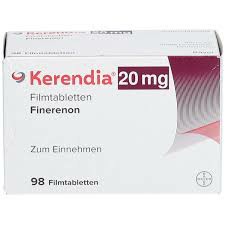
Third, fenelinone may also cause changes in renal function in some patients. Although its main role is to protect the kidneys, mild increases in serum creatinine may occur during the early stages of treatment. This is usually a manifestation of drug adjustment of renal tubular function, which is mostly temporary and reversible. It is recommended that patients strengthen renal function monitoring in the early stages of treatment. If serum creatinine rises by more than 30%, they need to seek medical treatment promptly to evaluate whether to adjust the treatment plan.
In addition, fenelinone may cause other minor adverse reactions, such as fatigue, headache, indigestion, etc. Most patients can alleviate these symptoms through proper rest and symptomatic treatment. If symptoms persist or worsen, the doctor should be informed in time to avoid affecting treatment compliance.
In order to effectively manage the adverse reactions of fenelidone, patients should undergo a comprehensive evaluation before starting the drug, including baseline testing of serum potassium, renal function, and blood pressure. Regular follow-up and testing should be performed during medication, especially during the initial treatment and dose adjustment stages. Doctors will flexibly adjust drug dosages and treatment plans based on test results and patient specific conditions to ensure maximum efficacy and minimum risks.
Patients themselves should also strengthen self-management, pay attention to dietary control, avoid excessive intake of potassium-rich foods such as bananas, orange juice, spinach, etc., and avoid the use of drugs or supplements that may increase blood potassium. Maintaining good living habits, regularly monitoring blood pressure and weight changes, and seeking medical attention promptly when abnormal symptoms occur are the keys to ensuring safe treatment.
In summary, fenelidone as a complication of chronic kidney disease2It is an important therapeutic drug for patients with type 2 diabetes and has significant protective effect, but the adverse reactions cannot be ignored. Through scientific monitoring and individualized management, side effects such as hyperkalemia, hypotension, and changes in renal function can be effectively prevented and alleviated, ensuring safe medication use for patients and improving treatment effects. With the accumulation of clinical experience and the improvement of management strategies, the application prospects of fenelidone will be broader and the patient benefits will be more significant.
Reference materials:https://www.kerendia.com/
[ 免责声明 ] 本页面内容来自公开渠道(如FDA官网、Drugs官网、原研药厂官网等),仅供持有医疗专业资质的人员用于医学药学研究参考,不构成任何治疗建议或药品推荐。所涉药品可能未在中国大陆获批上市,不适用于中国境内销售和使用。如需治疗,请咨询正规医疗机构。本站不提供药品销售或代购服务。


