
.jpeg)
What are the common adverse reactions of Tepotinib and how to alleviate them?
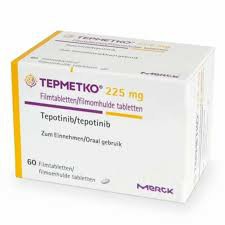
Tepotinib is a targeted drug targeting MET exon 14 skipping mutations in non-small cell lung cancer (NSCLC). Because of its clear targeting mechanism and significant therapeutic effect, it has become an important treatment option for related patients. However, like most targeted drugs, tepotinib can also cause a series of adverse reactions during clinical use. Understanding these common side effects and how to alleviate them can help patients better cope with the treatment process and improve quality of life and compliance.
1. Analysis of common adverse reactions
1. Edema: Edema is one of the most common adverse reactions of tepotinib, manifesting as edema of the lower limbs or the whole body. The mechanism may be related to the effect of drugs on vascular endothelial function. Edema is usually mild to moderate, but when severe it can cause difficulty breathing or interfere with daily activities.
2.Digestive system reactions: including symptoms such as nausea, vomiting, diarrhea and loss of appetite. These reactions will affect the patient's nutritional intake and physical condition, and if not treated in time, may lead to dehydration or malnutrition.
3.Abnormal liver function: Some patients experience elevated transaminases after taking tepotinib, indicating impaired liver function. Abnormal liver function may aggravate liver damage and affect drug metabolism if treatment is not adjusted in time.
4. Respiratory symptoms: such as cough, dyspnea, etc. These symptoms require vigilance for serious adverse pulmonary reactions such as interstitial lung disease caused by drugs.
5.Skin reactions: including rash, itching and dryness, although most are mild, they may also affect the patient's comfort.
2. Mitigation methods and nursing measures
1.For edema: Patients should pay attention to rest, avoid standing or sitting for long periods of time, and elevate their lower limbs to promote venous return. Mild edema can be relieved by a low-salt diet and moderate exercise. For severe edema, your doctor may recommend the use of diuretics or adjusting the dose of tepotinib. At the same time, patients should regularly monitor their weight and edema status and provide timely feedback to their doctors.
2. Dealing with digestive tract symptoms: For nausea and vomiting, patients can make dietary adjustments such as eating small amounts more frequently and avoiding greasy and irritating foods. Your doctor can prescribe anti-nausea medications as needed. Patients with diarrhea should maintain sufficient fluids, take appropriate antidiarrheal drugs, and pay attention to electrolyte balance. Severe cases require prompt medical treatment.
3. Monitor liver function: Conduct liver function tests regularly. If abnormalities are found, the doctor may temporarily stop the medication or adjust the dosage, and provide liver-protective drug support. Patients should avoid drinking alcohol and using other drugs that may aggravate liver damage.
4.Management of respiratory symptoms: When coughing or difficulty breathing occurs, the doctor should be notified as soon as possible to rule out serious complications such as interstitial lung disease. If necessary, perform chest imaging examination and provide timely intervention and treatment.
5.Skin care: Keep your skin clean, use mild and non-irritating skin care products, and avoid overexposure to the sun. If itching is significant, your doctor may recommend antihistamines or topical medications to relieve symptoms.
3. Patient self-management suggestions
While taking Tepotinib, patients should maintain good living habits, eat properly, and avoid fatigue and mental stress. Actively monitor physical changes, return for regular follow-up visits, and adjust medication according to the doctor's guidance. When you encounter uncomfortable symptoms, do not stop taking the medication or increase or decrease the dosage on your own, but communicate with the medical team in a timely manner. Establishing a good psychological support system can help relieve the psychological pressure caused by treatment.
Tepotinib, as an effective targeted therapy, plays an important role in the treatment of METexon14 non-small cell lung cancer with skipping mutations. Although accompanied by certain side effects, most adverse reactions can be effectively alleviated through reasonable care and medical intervention. Patients and doctors work closely together to detect and deal with adverse reactions in a timely manner, which can not only ensure the treatment effect, but also significantly improve the patient's quality of life. Through scientific management, the therapeutic potential of tepotinib will be maximized, bringing patients a better treatment experience and prognosis.
Reference materials:https://www.tepotinib.com/
[ 免责声明 ] 本页面内容来自公开渠道(如FDA官网、Drugs官网、原研药厂官网等),仅供持有医疗专业资质的人员用于医学药学研究参考,不构成任何治疗建议或药品推荐。所涉药品可能未在中国大陆获批上市,不适用于中国境内销售和使用。如需治疗,请咨询正规医疗机构。本站不提供药品销售或代购服务。


