
.jpeg)
What is the difference in mechanism between filgotinib tablets and upadatinib?
Filgotinib and Upadacitinib are innovative oral drugs that belong to the Janus kinase (JAK) inhibitor class and are mainly used to treat autoimmune diseases, such as rheumatoid arthritis. Although both drugs are JAK inhibitors, they have some key differences in their molecular mechanisms, target selectivity and clinical applications. Understanding the differences in the mechanisms between the two can help doctors choose the most appropriate treatment for their patients.
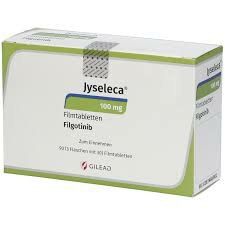
First of all, filgotinib and upadatinib differ in their selectivity for JAK enzymes. JAK enzyme is a key protein in intracellular signaling and participates in the regulation of various cellular functions, including immune response, inflammatory response, etc. There are four different isoforms of JAK enzymes: JAK1, JAK2, JAK3 and TYK2. Figotinib is a selective JAK1 inhibitor that mainly acts on the kinase activity of JAK1. JAK1 plays a crucial role in a variety of immune responses and cell proliferation, especially in the activation of T cells and B cells and the regulation of inflammatory responses. Therefore, filgotinib can effectively reduce the immune response and reduce inflammatory response in diseases such as rheumatoid arthritis by inhibiting the function of JAK1.
Unlike filgotinib, upadacitinib is a drug that selectively inhibitsJAK1, but it is different from filgotinib in selectivity. Upadatinib is more selective for JAK1, so it has a weaker inhibitory effect on other JAK enzyme subtypes. This highly selective property makes upadatinib likely to have better efficacy and fewer side effects in the treatment of some immune-mediated diseases, especially in the control of diseases such as rheumatoid arthritis and ulcerative colitis. Upadatinib inhibits the activation of immune cells and the release of cytokines by inhibiting JAK1, thereby controlling inflammatory responses and abnormal responses of the immune system.
Although both targets JAK1, subtle differences in their clinical applications also affect their therapeutic effects. The main indication of filgotinib is rheumatoid arthritis, and its main function is to inhibit the function of immune cells to control the progression of the disease. By inhibiting JAK1, filgotinib can effectively reduce joint pain, swelling and loss of function caused by rheumatoid arthritis. Due to its high JAK1 selectivity, upadatinib is used to treat other immune-mediated diseases, such as ulcerative colitis and ankylosing spondylitis, in addition to rheumatoid arthritis. Therefore, although the mechanisms of the two drugs are similar, upadatinib has a broader range of indications, making it likely to play a greater role in the treatment of complex immune system diseases.
In terms of side effects, due to the difference in selectivity between the two, they may cause different side effects. As a JAK1 inhibitor, common side effects of filgotinib include increased risk of infection, abnormal liver function, and fluctuations in blood lipid levels. These side effects are closely related to immunosuppression, so patients need to regularly check blood indicators and liver function while using filgotinib. The side effects of upadatinib are relatively mild, mainly manifesting as headache, upper respiratory tract infection, mild liver function abnormalities, etc., but its strong JAK1 selectivity may have advantages in reducing the side effects of other JAK subtype inhibition. Therefore, during clinical use, doctors will choose appropriate drugs based on the patient's specific conditions to minimize the occurrence of side effects.
Reference materials:https://go.drugbank.com/drugs/DB14845
[ 免责声明 ] 本页面内容来自公开渠道(如FDA官网、Drugs官网、原研药厂官网等),仅供持有医疗专业资质的人员用于医学药学研究参考,不构成任何治疗建议或药品推荐。所涉药品可能未在中国大陆获批上市,不适用于中国境内销售和使用。如需治疗,请咨询正规医疗机构。本站不提供药品销售或代购服务。


