
.jpeg)
Overview of the main contents in the instructions for cabozantinib
Cabozantinib is an oral tyrosine kinase inhibitor ( TKI). It exerts anti-tumor effects by inhibiting multiple molecular targets, including MET, VEGFR, AXL, etc., and is widely used to treat a variety of advanced malignant tumors. The instructions for cabozantinib provide detailed usage guidelines for doctors and patients, including indications, dosage, usage, precautions, adverse reactions, and storage conditions of the drug. The following is an overview of the main contents in the cabozantinib package insert:
1. Indications
Cabozantinib is approved to treat a variety of malignancies, particularly advanced and refractory tumors. Its main indications include:
Advanced renal cell carcinoma (RCC): Cabozantinib is suitable for patients with advanced renal cell carcinoma who have received previous treatment (such as VEGF inhibitors) but whose disease has progressed. It helps inhibit tumor growth and angiogenesis by targeting multiple targets such as VEGFR and MET.
Advanced hepatocellular carcinoma (HCC): Cabozantinib is also used to treat patients with advanced hepatocellular carcinoma who are unable to undergo surgical resection or liver transplantation. By inhibiting tumor angiogenesis and proliferation, cabozantinib can effectively control the disease.
Dedifferentiated thyroid cancer (DTC): Cabozantinib has also shown good efficacy in patients with inoperable or drug-resistant dedifferentiated thyroid cancer. It delays tumor progression by inhibiting the proliferation of thyroid cancer cells.
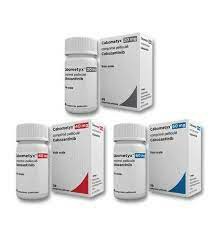
2. Usage and dosage
Cabozantinib is an oral preparation, and the dose is usually adjusted according to the patient's specific conditions. According to the instructions for cabozantinib, the recommended standard dose is usually once daily, with the dose ranging from 20 mg to 60 mg. The specific dose is adjusted based on the patient's tolerance and clinical response. When starting treatment, an initial dose of 20 mg is generally recommended. The dose can be gradually increased or decreased according to the patient's weight, liver and kidney function, and the occurrence of adverse reactions.
For patients with advanced renal cell carcinoma, the recommended dose of cabozantinib is60 mg once daily. For other indications, such as hepatocellular carcinoma and dedifferentiated thyroid cancer, the initial dose of treatment may be started at a lower dose (e.g., 20 mg) and adjusted based on clinical response.
Cabozantinib must be taken with food. It is best to maintain a consistent dosing habit and avoid taking it on an empty stomach. In addition, tablets should be swallowed whole and avoid chewing or crushing the drug, which will help better absorption of the drug.
3. Adverse reactions
Although cabozantinib is an effective anti-tumor drug, it may also cause a series of adverse reactions. Common adverse reactions include:
Gastrointestinal reactions: such as diarrhea, nausea, vomiting, oral ulcers, etc. These side effects usually appear in the early stages of treatment, and patients should communicate with their doctors in time to adjust the treatment plan.
Liver function impairment: Cabozantinib may cause abnormal liver function, especially the increase in levels of liver enzymes such as ALT and AST. Regular liver function monitoring is recommended during treatment.
Hypertension: Cabozantinib may cause hypertension, and blood pressure needs to be monitored closely during treatment, and medications should be adjusted or antihypertensive treatment given as needed.
Rash and fatigue: Skin reactions are one of the common adverse reactions of cabozantinib. Patients may develop symptoms such as rash or dry skin, which usually require appropriate care and treatment.
Users of cabozantinib need to undergo regular clinical examinations during treatment, especially monitoring of liver function, blood pressure, and other important vital signs to ensure safety.
Reference:https://en.wikipedia.org/wiki/Cabozantinib
[ 免责声明 ] 本页面内容来自公开渠道(如FDA官网、Drugs官网、原研药厂官网等),仅供持有医疗专业资质的人员用于医学药学研究参考,不构成任何治疗建议或药品推荐。所涉药品可能未在中国大陆获批上市,不适用于中国境内销售和使用。如需治疗,请咨询正规医疗机构。本站不提供药品销售或代购服务。


