
.jpeg)
Analysis of the main functions and effects of nintedanib capsules
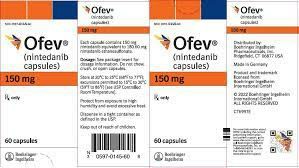
Nintedanib (Nintedanib) is an oral multi-target tyrosine kinase inhibitor widely used to treat various fibrosis-related diseases, especially lung diseases. Its main mechanism of action is by inhibiting multiple receptor tyrosine kinases (such as platelet-derived growth factor receptor (PDGFR), fibroblast growth factor receptor (FGFR), vascular endothelial growth factor receptor (VEGFR), etc.), thereby slowing down the fibrosis process and improving the patient's physiological functions. Nintedanib has significant therapeutic effects in diseases such as idiopathic pulmonary fibrosis (IPF), chronic fibrosing interstitial lung diseases (ILDs), and systemic sclerosis-associated interstitial lung disease (SSc-ILD).
Idiopathic pulmonary fibrosis is a progressive lung disease that causes fibrosis of lung tissue, ultimately leading to difficulty breathing. As a drug for the treatment of IPF, nintedanib can effectively slow down the deterioration of lung function by targeting multiple fibrosis signaling pathways. In patients with IPF, continued decline in lung function is the main cause of reduced quality of life and death. The application of nintedanib can significantly slow down this process, thereby increasing patients' survival and improving their quality of daily life. The mechanism of the drug is to inhibit the proliferation and migration of fibroblasts and reduce fibrosis of lung tissue by inhibiting platelet-derived growth factor receptor (PDGFR), fibroblast growth factor receptor (FGFR) and other related pathways.
Chronic fibrosing interstitial lung disease is a group of diseases characterized by interstitial lung damage, often accompanied by chronic inflammation and fibrosis of the lungs. The treatment of ILDs is relatively complex because different types of ILDs have diverse pathological mechanisms. As a multi-target tyrosine kinase inhibitor, nintedanib can slow down the progression of the disease by regulating relevant signaling pathways. Especially for those patients with ILD who present a progressive phenotype, nintedanib plays a positive role in reducing the decline in lung function and delaying disease progression. By inhibiting biomarkers associated with fibrosis, nintedanib helps patients control the progression of the disease, thereby reducing symptoms and improving quality of life.
Systemic sclerosis (SSc) is an autoimmune disease that is often accompanied by fibrosis of the skin and internal organs. Interstitial lung disease (ILD) is one of the most common fatal complications in patients with SSc. SSc-ILD causes continuous decline in lung function, seriously affecting patients' quality of life. Nintedanib can significantly slow down the decline of lung function in patients with SSc-ILD by inhibiting key pathways related to fibrosis. For this population of patients, nintedanib offers an effective treatment option. By slowing the progression of pulmonary fibrosis, nintedanib helps delay disease progression, reduces patients' risk of death, and improves patients' quality of life.
In summary, nintedanib, as a multi-target tyrosine kinase inhibitor, has demonstrated significant efficacy in the treatment of idiopathic pulmonary fibrosis, chronic fibrosing interstitial lung disease, and systemic sclerosis-related interstitial lung disease. By targeting and inhibiting multiple biomarkers related to fibrosis, nintedanib can effectively slow the progression of the disease and improve patients' quality of life.
Reference materials:https://en.wikipedia.org/wiki/Nintedanib
[ 免责声明 ] 本页面内容来自公开渠道(如FDA官网、Drugs官网、原研药厂官网等),仅供持有医疗专业资质的人员用于医学药学研究参考,不构成任何治疗建议或药品推荐。所涉药品可能未在中国大陆获批上市,不适用于中国境内销售和使用。如需治疗,请咨询正规医疗机构。本站不提供药品销售或代购服务。


