
.jpeg)
Analysis of the core content of the instructions for Trientine Hydrochloride Tablets
Trientine (Trientine), whose trade names in different regions include Syprine (USA) and Cufence (Europe), is a drug used to treat hepatolenticular degeneration (Wilson's disease). Hepatolenticular degeneration is a hereditary disease characterized by abnormal copper metabolism, leading to accumulation of copper in the body, especially in important organs such as the liver, brain, and kidneys. The clinical symptoms of Wilson's disease include impaired liver function, neurological symptoms, mental and behavioral abnormalities, etc. The main mechanism of action of Trientine tablets is to promote the excretion of copper by binding excess copper ions in the body, thereby reducing the damage to tissues and organs caused by copper deposition.
1. Indications
Trientine Hydrochloride Tablets are suitable for patients who are intolerant to penicillamine (another drug used to treat Wilson's disease), especially children and adults aged ≥5 years. Penicillamine is a traditional treatment drug for Wilson's disease, but some patients cannot tolerate it due to its possible adverse reactions (such as rash, allergic reactions, kidney damage, etc.). Trientine, as an alternative treatment drug, provides another treatment option for these patients. By forming a complex with copper, trientine can effectively reduce the accumulation of copper in the body, alleviate related symptoms, and help patients control the condition.
2. Usage and dosage
The dosage schedule of trientine tablets needs to be individually adjusted based on the patient's specific age, weight, and clinical response. For adult patients, the starting dose of trientine is usually 800-1600 mg/day, taken orally in 2 to 4 divided doses. This dose is gradually adjusted based on the patient's clinical response. Usually the doctor will adjust the dose based on the patient's copper metabolism level, blood test results, and improvement of the condition during treatment. For pediatric patients, the dose of trientine is lower than that of adults. The usual starting dose is 400-1000 mg/day. The specific dose also needs to be adjusted based on the patient's age, weight and clinical response.
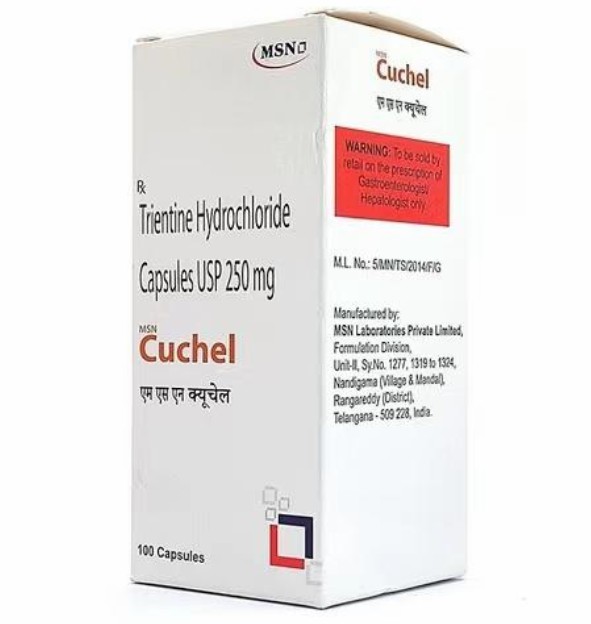
During treatment, the dose of trientine may be adjusted accordingly as the patient's condition changes and the response to treatment differs. Since each patient's copper metabolism status is different, it is very important to monitor patients' copper levels, liver function and other related indicators. This data can help doctors evaluate the efficacy of drugs and adjust treatment plans.
Three. Dosing method
Trientine Hydrochloride Tablets are oral medications and should be taken correctly as follows: Capsules should be swallowed whole with water and patients need to ensure they are taken on an empty stomach, which means at least one hour before or two hours after a meal, and the medication should be taken at least one hour away from any other medicines, food or milk. Taking it on an empty stomach helps the drug to be absorbed, making it more effective in its therapeutic effect. Patients should pay special attention to this when taking trientine to ensure the best effect of the drug.
In addition, the dosage and usage of trientine must be strictly in accordance with the doctor's instructions, because the efficacy of the drug is closely related to the patient's individualized treatment plan. If the patient has other comorbidities or is taking other medications, the doctor may make dose adjustments based on these factors. During this process, regular clinical examinations and laboratory tests (such as liver function, copper metabolism levels, etc.) are necessary to ensure the safety and effectiveness of the treatment.
Four. adverse reactions
Trientine tablets are an effective drug for the treatment of Wilson's disease. They are usually well tolerated, but some adverse reactions may occur. Common adverse reactions include gastrointestinal discomfort (such as nausea, vomiting, diarrhea, etc.), rash, headache, etc. Most adverse reactions are usually mild and gradually improve during treatment. However, some patients may have allergic reactions to the drug, such as rash, difficulty breathing, etc. If such symptoms occur, they should stop taking the drug immediately and consult a doctor.
In addition, long-term use of trientine may have a certain impact on kidney and liver function. Therefore, during the use of trientine, doctors usually check the patient's liver and kidney function, blood indicators, etc. regularly to ensure the safety of the drug. In patients with a history of kidney disease, doctors may adjust the dose more cautiously.
Five. Things to note
When using trientine hydrochloride to treat Wilson's disease, patients should strictly follow the doctor's recommendations and avoid adjusting the dosage on their own. Since trientine is closely related to copper excretion, copper levels and related blood test indicators must be regularly measured during patient treatment. During long-term treatment, patients should also maintain good living habits and avoid excessive intake of foods with high copper content, such as nuts, seafood, etc.
Reference materials:https://www.cufence.com/
[ 免责声明 ] 本页面内容来自公开渠道(如FDA官网、Drugs官网、原研药厂官网等),仅供持有医疗专业资质的人员用于医学药学研究参考,不构成任何治疗建议或药品推荐。所涉药品可能未在中国大陆获批上市,不适用于中国境内销售和使用。如需治疗,请咨询正规医疗机构。本站不提供药品销售或代购服务。


