
.jpeg)
What are the common adverse reactions after taking Adagrasib?
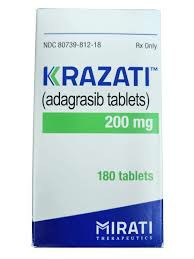
Adagrasib (Adagrasib) is a new KRAS G12C inhibitor, used to treat patients with KRAS Patients with G12Cmutated solid tumors, especially patients with advanced non-small cell lung cancer (NSCLC) and some colorectal cancers (CRC). With the gradual promotion of adagrasib in clinical application, its efficacy has been verified, and its safety and adverse reaction spectrum have also received increasing attention. This article will provide a detailed analysis of the common adverse reactions, mechanisms and management methods of adagrasiib to help patients and clinicians more fully understand the risks and responses to this drug.
1. Overview of adverse reactions of adagrasib
According to clinical trial data and real-world medication observations, the most common adverse reactions of adagrasiib include gastrointestinal symptoms (such as nausea, diarrhea, vomiting), fatigue, elevated transaminases, decreased appetite, etc. Most of these side effects are mild to moderate, but some patients may have severe or prolonged symptoms that may affect medication compliance.
1.Gastrointestinal reactions
Gastrointestinal symptoms are one of the most common adverse reactions of adagrasib. Research shows that about 60%-70% of patients experience nausea or diarrhea after taking the medicine, and some patients are also accompanied by vomiting or abdominal distension. The mechanism may be related to the regulation of cell secretion function by the KRAS pathway. Generally speaking, mild gastrointestinal symptoms can be relieved by adjusting the timing of taking medication (such as taking it after a meal), rehydration, or using antidiarrheal drugs (such as loperamide). If symptoms persist or interfere with eating, short-term discontinuation of the drug or dose adjustment may need to be considered.
2.Fatigue and fatigue
Nearly half of the patients reported varying degrees of fatigue or weakness after taking adagrasib, which may be related to the drug's interference with normal metabolic pathways or the increased burden of the patient's underlying disease. This kind of fatigue usually does not affect basic life activities, but some patients need to rest or reduce other interfering factors during the treatment process. This symptom can be effectively alleviated by properly arranging work and rest time, strengthening nutritional support and other measures.
3.Abnormal liver function
Adagorasib may cause an increase in transaminases (ALT, AST), indicating impaired liver function. Most cases are mildly elevated, but some patients may develop grade 3 or above hepatotoxicity. Regular monitoring of liver function is a must during the use of this drug, especially every 1-2 in the first few weeks before and after treatment.Review once a week. If liver enzymes are found to be significantly elevated, temporary discontinuation or dose reduction should be considered, and hepatoprotective drug treatment should be used under the guidance of a doctor.
4.Loss of appetite and weight loss
Some patients will experience decreased appetite and weight loss while taking the drug, which may be related to persistent nausea or the impact of the drug itself on the gastrointestinal tract. If such reactions persist, timely intervention measures need to be taken, such as nutritional supplements, increased eating frequency, and the use of appetite-promoting drugs.
2. Other possible adverse reactions
In addition to the common side effects mentioned above, adagrasib may also cause some less common toxic reactions that require concern:
1. Pulmonary toxicity (interstitial lung disease): Although rare, adagrasib may cause an inflammatory response in the lungs, manifested by cough, dyspnea, or imaging abnormalities. If the patient develops the above symptoms during treatment, he or she should be highly vigilant about drug-related pneumonia. If necessary, discontinue the drug and initiate glucocorticoid treatment.
2.QTinterval prolongation: Some patients' electrocardiogram shows that the QT interval is prolonged after taking adagrasib. The electrocardiogram needs to be monitored before taking the drug and during treatment. People who have a history of heart disease or are taking drugs that affect the QT interval should be more cautious.
3.Electrolyte disorders: Situations such as low sodium and low potassium occasionally occur and are mainly related to gastrointestinal symptoms such as vomiting, diarrhea or body fluid loss. Blood electrolytes should be monitored and replenished in time.
3. Adverse reaction management suggestions
In order to improve the tolerance of adagrasiib, it is recommended to make the following preparations and monitoring before taking the drug:
Check the patient's liver and kidney function, electrocardiogram, electrolytes and previous drug use history before starting treatment;
In the early stage of treatment, it is recommended to review relevant laboratory indicators every1-2 weeks;
Mild to moderate adverse reactions can be controlled through symptomatic treatment and supportive treatment;
For serious adverse reactions, the drug should be discontinued promptly and whether to restart treatment or adjust the dose should be evaluated;
Strengthening patient education to make them aware of possible side effects during medication and identifying and responding to them in advance will help improve treatment compliance and safety.
As a targeted drug targeting KRAS G12C mutations, adagrasib has been widely recognized for its clinical efficacy, especially in NSCLC and some digestive system tumors. It has brought important therapeutic breakthroughs. However, just like other targeted drugs, the use of adagrasib is also accompanied by a series of adverse reactions, which need to be scientifically evaluated and managed under the guidance of a doctor. By strengthening monitoring, rational intervention and optimizing medication regimens, patient safety can be ensured to the greatest extent, treatment effects can be improved, and long-term survival benefits can be brought to more patients.
References:https://www.krazati.com/
[ 免责声明 ] 本页面内容来自公开渠道(如FDA官网、Drugs官网、原研药厂官网等),仅供持有医疗专业资质的人员用于医学药学研究参考,不构成任何治疗建议或药品推荐。所涉药品可能未在中国大陆获批上市,不适用于中国境内销售和使用。如需治疗,请咨询正规医疗机构。本站不提供药品销售或代购服务。


