
.jpeg)
Analysis of the mechanism and efficacy of rasagiline in the treatment of Parkinson's disease
Rasagiline (Rasagiline) is a selective and irreversible monoamine oxidase-B (MAO-B) inhibitor, mainly used to treat Parkinson’s disease (Parkinson’s disease, PD). Its mechanism of action is to inhibit the activity of MAO-B enzyme in the brain and reduce the decomposition of dopamine, thereby increasing the concentration of dopamine in the brain and improving the motor function and symptoms of Parkinson's disease patients. Because dopamine is an important neurotransmitter that regulates movement, rasagiline can effectively relieve typical symptoms such as tremor, stiffness, and bradykinesia.
Clinical studies have shown that rasagiline has significant efficacy in patients with early-stage Parkinson's disease. Multiple randomized controlled trials have shown that rasagiline as a single agent can delay the worsening of symptoms, improve patients' exercise ability, and reduce "off" time. It is also often used as an auxiliary drug for levodopa treatment, which can enhance the efficacy of levodopa, improve movement fluctuations, reduce "switching" phenomena, and improve patients' quality of life. Compared with traditional drugs, rasagiline has the advantages of rapid onset of action and fewer side effects.
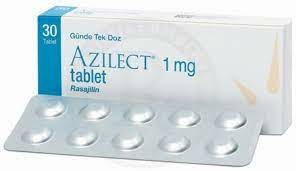
Rasagiline has a good safety profile and is better tolerated than some other anti-Parkinson's drugs. Common side effects include headache, joint pain, indigestion, and insomnia, but most are mild and controllable. Importantly, rasagiline does not cause significant cardiovascular side effects nor the psychiatric symptoms of dopaminergic overstimulation, making it ideal for the long-term management of Parkinson's disease. In addition, the ease of once-daily oral dosing of rasagiline helps improve patient compliance.
In short, rasagiline, as a highly selective MAO-B inhibitor, plays an important role in the treatment of Parkinson's disease. It effectively relieves motor symptoms and delays disease progression by increasing dopamine levels in the brain. Combined with good safety and tolerability, rasagiline is not only suitable for use alone in early-stage patients, but also as an adjunct to levodopa therapy in advanced-stage patients to help improve motor fluctuations and improve quality of life. As more clinical studies advance, the value of rasagiline in the comprehensive treatment of Parkinson's disease will be further consolidated.
Reference materials:https://www.azilect.com/
[ 免责声明 ] 本页面内容来自公开渠道(如FDA官网、Drugs官网、原研药厂官网等),仅供持有医疗专业资质的人员用于医学药学研究参考,不构成任何治疗建议或药品推荐。所涉药品可能未在中国大陆获批上市,不适用于中国境内销售和使用。如需治疗,请咨询正规医疗机构。本站不提供药品销售或代购服务。


