
.jpeg)
Analysis of the efficacy and side effects of Tepotinib in the treatment of advanced lung cancer
Tepotinib is an oral selective tyrosine kinase inhibitor that mainly targets the MET protein in the mesenchymal epidermal growth factor receptor (MET) signaling pathway. Abnormal activation of MET genes, especially MET exon14skipping mutations are an important driver in advanced non-small cell lung cancer (NSCLC), accounting for approximately 3% to 4% of NSCLC patients. This group of patients has a poor response to traditional chemotherapy and some targeted therapies, and their prognosis is less than ideal. The emergence of tepotinib provides a new treatment option for lung cancer patients with positive skip mutation of MET exon14 and significantly improves the treatment prospects of patients.
From an efficacy perspective, tepotinib has shown good anti-tumor effects in patients with advanced MET exon14 skip mutationNSCLC. A number of clinical trials, especially the phase II VISION study, have confirmed the significant efficacy of tepotinib. In this study, the objective response rate (ORR) of patients after receiving tepotinib treatment reached 40%-50%. Some patients achieved complete remission, and the disease control rate (DCR) exceeded 80%. In addition, the median progression-free survival (PFS) is about 8 to 12 months, which is better than traditional chemotherapy regimens. Tepotinib can also effectively penetrate the blood-brain barrier and also shows certain therapeutic activity for patients with brain metastases. This is of great significance to patients with advanced lung cancer, because brain metastases have always been a problem in the treatment of lung cancer.
In clinical practice, tepotinib is usually used as a first-line or second-line treatment option for patients with advanced MET exon14skipping mutation-positive NSCLC , especially for those whose disease has progressed after chemotherapy or immunotherapy. Due to the precision of targeted therapy, tepotinib can significantly extend patients' progression-free survival time and improve their quality of life. After using tepotinib, some patients' symptoms were significantly relieved, their lung function was improved, their overall living conditions improved, and their treatment satisfaction was high.
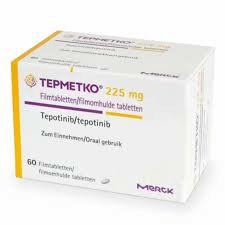
Although the efficacy of tepotinib is remarkable, its side effects still require great attention. The most common side effect is edema, which occurs with a high incidence and manifests as swelling of the face and limbs. It is usually mild to moderate, but some patients also experience severe edema. In addition, side effects such as rash, diarrhea, nausea, stomatitis and fatigue are also common. The occurrence of edema is related to the mechanism of action of the drug. Patients can reduce symptoms by limiting salt intake and raising limbs. In patients with severe edema, dose adjustment or brief discontinuation may be necessary. In addition, abnormal liver function and interstitial lung disease are also adverse reactions that require vigilance. Although the latter is rare, once it occurs, it may be life-threatening. Therefore, liver function and lung conditions should be regularly monitored during medication.
In terms of medication management, patients should follow the doctor's guidance when taking Tepotinib, take it in strict accordance with the prescribed dosage, and are not allowed to increase or decrease the dosage on their own. During the treatment process, it is recommended that patients undergo regular hematology tests, liver and kidney function tests, and imaging evaluations to understand drug efficacy and body reactions in a timely manner. If serious side effects occur, seek medical attention immediately and adjust the treatment plan if necessary. Patients and their families should also understand the possible side effects of drugs and how to deal with them, maintain good communication, and ensure drug safety.
In addition, adjustments to the patient's lifestyle are also critical to improving treatment effects. Maintaining a healthy diet, exercising moderately, and avoiding bad habits such as tobacco and alcohol can help enhance the body's immunity and ability to tolerate medications. At the same time, psychological support and social support have a positive impact on the overall treatment effect and quality of life of patients with advanced lung cancer. Patients should actively cooperate with doctors for treatment, maintain a good attitude, and manage the disease scientifically.
In summary, tepotinib, as a targeted drug targeting MET exon14 skipping mutations, has brought a significant therapeutic breakthrough to patients with advanced non-small cell lung cancer. Its good efficacy and relatively controllable side effects make it an important treatment option for such patients. With the accumulation of more clinical data and enriched application experience, the therapeutic value of tepotinib will be further consolidated and improved. During use, patients should pay attention to individualized management of treatment and monitoring of side effects to ensure that the efficacy of the drug is maximized, improve survival prognosis, and improve quality of life. In the future, combined with more targeted treatments and comprehensive treatment strategies, tepotinib is expected to open up broader treatment prospects for lung cancer patients.
Reference materials:https://www.tepotinib.com/
[ 免责声明 ] 本页面内容来自公开渠道(如FDA官网、Drugs官网、原研药厂官网等),仅供持有医疗专业资质的人员用于医学药学研究参考,不构成任何治疗建议或药品推荐。所涉药品可能未在中国大陆获批上市,不适用于中国境内销售和使用。如需治疗,请咨询正规医疗机构。本站不提供药品销售或代购服务。


