
.jpeg)
Detailed explanation of the effects and common side effects of Vigabatrin (vigabatrin) in treating epilepsy
Vigabatrin (Vigabatrin) is an anti-epileptic drug used to treat epilepsy, especially refractory partial epilepsy and infantile spasms (West syndrome). As a drug with a structure similar to γ-aminobutyric acid (GABA), Vigabatrin works by irreversibly inhibiting GABA< span>Aminotransferase (GABA-T) increases the level of the inhibitory neurotransmitter GABA in the brain, thereby enhancing the inhibitory function of the nervous system and effectively controlling epileptic seizures. This article will introduce in detail the efficacy and common side effects of Vigabatrin in the treatment of epilepsy, helping patients and medical staff better understand the use value and precautions of this drug.
First of all, Vigabatrin has a clinically significant therapeutic effect on refractory partial epilepsy. Partial epilepsy patients are difficult to obtain satisfactory control due to their resistance to conventional anti-epileptic drugs. Vigabatrin, as a second-line or auxiliary drug, can reduce the occurrence of abnormal electrical activity by increasing the inhibitory effect of GABA. A large number of clinical studies have shown that Vigabatrin can significantly reduce the frequency of epileptic seizures, and some patients can even achieve complete seizure control. Additionally, Vigabatrin is widely considered to be one of the medications of choice for patients with infantile spasms. The seizure pattern of this disease is special and difficult to treat. By regulating the balance of neurotransmitters, Vigabatrin can effectively improve the seizure status of infants and improve the prognosis of neurodevelopment.
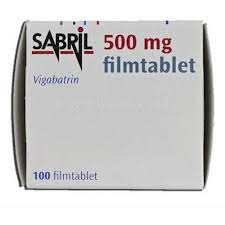
However, although Vigabatrin has good therapeutic effects, its side effects also require sufficient attention. The most concerning side effect is retinal toxicity, manifested by progressive peripheral visual field loss and, in some patients, permanent visual impairment. The occurrence of this side effect is related to the treatment dose and medication time. Vision monitoring is crucial for patients taking long-term medication. Regular visual field examinations are recommended to prevent irreversible damage. In addition, Vigabatrin may also cause central nervous system side effects such as drowsiness, fatigue, dizziness, and mood changes. These reactions are usually more obvious in the early stages of medication and can be alleviated after dosage adjustment or adaptation. Some patients may also experience symptoms such as weight gain, changes in appetite, and gastrointestinal discomfort.
When using Vigabatrin, physicians and patients should pay close attention to the balance between therapeutic effects and side effects. Drug dosage is usually adjusted according to the patient's age, weight and condition to avoid the risk of retinal damage caused by overdose. For infants and young children, strict monitoring and follow-up are especially needed to ensure the safety of medication. At the same time, patients and family members should be aware of the potential risks of the drug, and seek medical attention promptly if symptoms such as abnormal vision and reduced visual field occur. In addition, caution is required when using Vigabatrin in combination with other anti-epileptic drugs to avoid drug interactions that may lead to aggravation of adverse reactions.
In summary, Vigabatrin, as an effective anti-epileptic drug, is particularly suitable for the treatment of refractory partial epilepsy and infantile spasms. It works by enhancingGABAMediated inhibitory effect, significantly reduces the frequency of epileptic seizures and improves patients' quality of life. But at the same time, retinal toxicity is a side effect that must be prevented during its use, and regular vision examinations are indispensable. Rational drug use, scientific monitoring and timely adjustment of treatment plans are the keys to ensuring the safe and effective application of Vigabatrin. Patients and medical staff should maintain adequate communication to jointly manage the disease and improve the success rate of treatment.
Reference materials:https://www.sabril.net/
[ 免责声明 ] 本页面内容来自公开渠道(如FDA官网、Drugs官网、原研药厂官网等),仅供持有医疗专业资质的人员用于医学药学研究参考,不构成任何治疗建议或药品推荐。所涉药品可能未在中国大陆获批上市,不适用于中国境内销售和使用。如需治疗,请咨询正规医疗机构。本站不提供药品销售或代购服务。


