
.jpeg)
What are the side effects and complications of Quizartinib?
Quizartinib (Quizartinib), as a new generation of selective FLT3 tyrosine kinase inhibitor, has demonstrated high targeting and clinical application value in the treatment of relapsed or refractory FLT3-ITD-positive acute myeloid leukemia. However, as a powerful targeted drug, while blocking the proliferation of tumor cells, it may also have varying degrees of impact on normal cells in the human body. Therefore, its side effects and potential complications have become a key concern for patients and doctors.
In clinical use, one of the most common side effects of quizartinib is electrocardiogramQT interval prolongation, which is a potential arrhythmia that may cause ventricular arrhythmias and even the risk of sudden death. Therefore, doctors often closely monitor patients' ECG changes before and during medication, especially in high-risk groups. In addition, quizartinib may have drug interactions with certain drugs, especially drugs that affect liver enzyme metabolism, and special attention should be paid to avoid combined use.
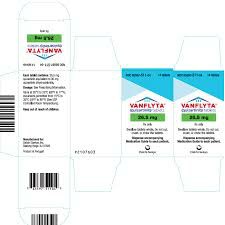
In addition, quizartinib can also cause a series of hematological-related side effects, such as neutropenia, thrombocytopenia, and anemia. These side effects are more common in patients with hematological tumors, but routine blood tests are still required to prevent serious infections or bleeding events. Some patients may experience gastrointestinal symptoms, such as nausea, vomiting, diarrhea, and loss of appetite, which can usually be relieved with supportive care.
Another side effect that cannot be ignored is abnormal liver function. Although rare, elevated liver enzymes may indicate a stress burden on liver cells caused by quizartinib, so liver function should be checked regularly during treatment, especially when other treatments are combined.
Less common but serious side effects include elevated pancreatic enzymes, rash, fatigue, hypokalemia, etc. Individual patients may also experience adverse symptoms such as immune system disorders and allergic reactions. Each patient tolerates medications differently, so the appearance and severity of side effects also vary.
Reference materials:https://go.drugbank.com/drugs/DB12874
[ 免责声明 ] 本页面内容来自公开渠道(如FDA官网、Drugs官网、原研药厂官网等),仅供持有医疗专业资质的人员用于医学药学研究参考,不构成任何治疗建议或药品推荐。所涉药品可能未在中国大陆获批上市,不适用于中国境内销售和使用。如需治疗,请咨询正规医疗机构。本站不提供药品销售或代购服务。


