
.jpeg)
Bimetinib/Bemetinib side effects and medication precautions
Binimetinib, as a MEK inhibitor, has good efficacy in the treatment of specific tumors (such as BRAF mutant melanoma), but like all targeted drugs, it may cause a variety of side effects during use, and medication instructions need to be strictly followed to ensure safety and efficacy.
The most common adverse reactions of bimetinib include skin toxicity (such as rash, acne-like lesions), eye problems (such as blurred vision, retinopathy), gastrointestinal reactions (such as nausea, vomiting, diarrhea), musculoskeletal symptoms (such as increased creatine kinase, muscle pain), and increased liver function indicators (such asALT, AST increase). In addition, some patients may also experience systemic discomforts such as fatigue, edema, and shortness of breath.
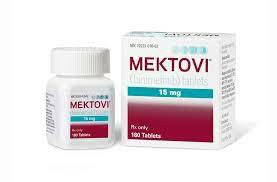
In terms of medication precautions, you must first pay special attention to changes in vision. Bimetinib may cause central serous chorioretinopathy (CSCR) or retinal detachment. Patients who experience blurring or distorted vision during treatment should seek medical attention immediately for ophthalmological evaluation. Eye exams are recommended before starting treatment and regularly during treatment.
Another thing to watch out for is elevated creatine kinase (CK), which may reflect muscle inflammation or damage. For patients with symptoms such as muscle weakness and pain, the CK level should be detected and the drug dosage should be adjusted as appropriate, and the medication should be suspended if necessary.
Liver function monitoring is also critical. Bimetinib can cause an increase in liver enzymes in some patients, so liver function should be monitored regularly during treatment, especially ALT, AST and total bilirubin. If abnormal and significant increases in liver enzymes are found, treatment needs to be adjusted or discontinued according to guidelines.
In addition, bimetinib also has potential effects on cardiac function and may cause a decrease in left ventricular ejection fraction. Cardiac ultrasound monitoring is recommended before and after treatment. Particular caution should be exercised in patients who are already at risk for cardiac dysfunction.
Reference materials:https://go.drugbank.com/drugs/DB11967
[ 免责声明 ] 本页面内容来自公开渠道(如FDA官网、Drugs官网、原研药厂官网等),仅供持有医疗专业资质的人员用于医学药学研究参考,不构成任何治疗建议或药品推荐。所涉药品可能未在中国大陆获批上市,不适用于中国境内销售和使用。如需治疗,请咨询正规医疗机构。本站不提供药品销售或代购服务。


