
.jpeg)
How long does it take for resistance to lorlatinib/lorlatinib to appear?
Lorlatinib/lorlatinib (Lorlatinib), as a third-generation ALK inhibitor, has shown strong clinical advantages in the treatment of ALK-positive non-small cell lung cancer (NSCLC). It is especially suitable for patients who are resistant to first-generation (such as crizotinib) and second-generation (such as alectinib, brigatinib) ALK inhibitors. Although lorlatinib has excellent target selectivity and blood-brain barrier penetration, and its ability to resist drug resistance is also strong, similar to most targeted drugs, acquired resistance may still occur during long-term use.
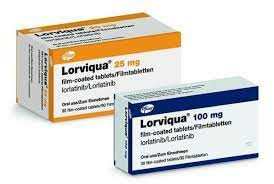
According to current clinical observations and literature review, the resistance time to lorlatinib has large individual differences. Some patients may develop drug-resistant symptoms within 6 to 18 months after taking lorlatinib, but many patients can maintain a long-term remission state without significant progression for more than two years. The time when drug resistance appears is often closely related to factors such as the subtype of ALK mutation in the patient, gene rearrangement pattern, previous treatment history, and the presence of brain metastasis.
The resistance mechanisms of lorlatinib mainly include two categories: First, further mutations or conformational changes in the ALK gene, making it difficult for lorlatinib to effectively bind and inhibit. For example, the G1202R mutation is a known resistance hotspot; second, non-ALK-dependent bypass activation pathways, such as reactivation of KRAS, EGFR, MET and other signaling pathways, cause cancer cells to bypass the ALK pathway and continue to proliferate. Drug resistance in some patients may even be related to epigenetic or histological transformation (such as transformation into small cell lung cancer).
Clinically, if a patient develops imaging progression or increases in tumor markers after taking lorlatinib, the possibility of drug resistance should be considered, and doctors usually recommend tissue biopsy or liquid biopsy to clarify the mechanism of drug resistance. For different types of drug-resistant mutations, it is expected to be treated with other targeted drugs or comprehensive programs such as combined immunotherapy and chemotherapy.
Reference materials:https://www.lorbrena.com/
[ 免责声明 ] 本页面内容来自公开渠道(如FDA官网、Drugs官网、原研药厂官网等),仅供持有医疗专业资质的人员用于医学药学研究参考,不构成任何治疗建议或药品推荐。所涉药品可能未在中国大陆获批上市,不适用于中国境内销售和使用。如需治疗,请咨询正规医疗机构。本站不提供药品销售或代购服务。


