
.jpeg)
Is nintedanib a life-saving drug for lung disease patients?
Nintedanib (Nintedanib), as a multi-target tyrosine kinase inhibitor, is widely used in the global medical community, especially in the field of respiratory medicine, to treat idiopathic pulmonary fibrosis (IPF) and other progressive interstitial lung diseases (ILDs). Its mechanism is mainly by inhibiting various tyrosine kinase signaling pathways including FGFR, VEGFR and PDGFR, thereby blocking key cell proliferation and migration in the fibrosis process, and delaying the abnormal proliferation and fibrosis process of lung interstitial tissue.
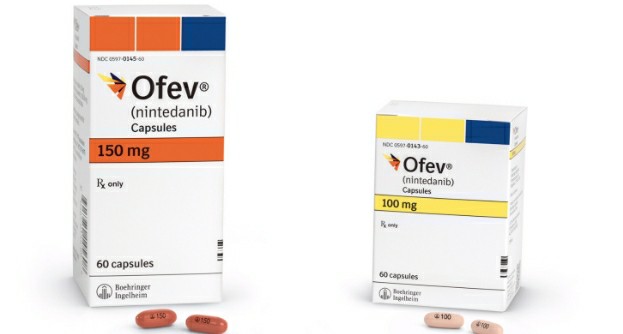
Although the term "life-saving drug" needs to be used with caution in medicine, nintedanib can indeed be regarded to some extent as an important life-extending tool for patients with pulmonary fibrosis. Pulmonary fibrosis is an irreversible, chronic and progressive disease. Without effective intervention, the patient's lung function will continue to deteriorate and may eventually develop into respiratory failure. The clinical value of nintedanib does not lie in completely curing the disease, but in significantly delaying the progression of the disease, maintaining stable lung function, and reducing the risk of acute exacerbations. It brings "controllable" hope to many patients diagnosed with mid-to-late stage IPF or other related fibrotic lung diseases, and is one of the core options for drug treatment at this stage.
Many foreign studies and guidelines list nintedanib as a first-line drug for the treatment of IPF. In addition, the drug has also been expanded to treat interstitial lung diseases caused by other causes, such as systemic sclerosis-associated interstitial lung disease (SSc-ILD), further solidifying its status as a "gatekeeper" for pulmonary fibrosis.
It is worth mentioning that the use of nintedanib needs to be weighed against side effects, such as diarrhea and elevated liver enzymes. Therefore, it is more suitable as a long-term maintenance treatment after a comprehensive evaluation by a doctor, rather than as an "emergency life-saving" drug. But it is undeniable that it plays an important role in delaying the decline of lung function and reducing the risk of mortality. For many lung disease patients, nintedanib has indeed improved the quality of life and hope, and is regarded as a "turning point in life."
Reference materials:https://en.wikipedia.org/wiki/Nintedanib
[ 免责声明 ] 本页面内容来自公开渠道(如FDA官网、Drugs官网、原研药厂官网等),仅供持有医疗专业资质的人员用于医学药学研究参考,不构成任何治疗建议或药品推荐。所涉药品可能未在中国大陆获批上市,不适用于中国境内销售和使用。如需治疗,请咨询正规医疗机构。本站不提供药品销售或代购服务。


