
.jpeg)
Analysis of indications, uses and risk of drug resistance of seputinib/serpatinib
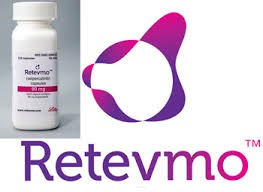
Selpercatinib, also known as selpatinib, is a new type of oral highly selective RET kinase inhibitor, mainly developed by Lilly (Lilly), for the treatment of tumors related to RET gene fusion or mutation. With the continuous deepening of research on gene-driven tumors, RET rearrangement (rearrangement) or mutation has been confirmed to be an important pathogenic mechanism of some non-small cell lung cancer (NSCLC), thyroid cancer and other rare tumors. The development and clinical application of seputinib are based on the concept of targeted drug treatment based on this molecular mechanism, and its accuracy and efficacy have been clinically verified. However, as the course of treatment progresses, the problem of drug resistance gradually emerges and becomes an important challenge in the treatment process.
1. Main indications and applicable groups
The main indications for seputinib includeRETfusion-positive non-small cell lung cancer (NSCLC), RETMutant medullary thyroid carcinoma (MTC) and other types of RETabnormal solid tumors. In non-small cell lung cancer, RET fusion is present in approximately 1%-2% of patients. Although the proportion is not high, the proportion increases in young, non-smoking or light smokers. For this group of patients, traditional chemotherapy or immunotherapy often has limited effect, while RETtargeted therapy can significantly improve the response rate and survival time.
In thyroid cancer, especially the medullary cancer type, RET mutations occur more frequently. Data show that approximately 60%-90%of familial MTC patients have RETRET span> mutation, and this gene abnormality is also detected in about 40%-50% of patients with sporadic MTC. For these patients, seputinib, as a precise targeted drug, can effectively control tumor progression, and some patients even achieve long-term disease stability.
2. Mechanism of action and therapeutic efficacy
Seputinib highly selectively inhibits RET tyrosine kinase activity, blocking downstream signaling pathways, such as MAPK, PI3K-AKTetc., thus preventing the proliferation and metastasis of tumor cells. Data from the clinical trial LIBRETTO-001 show that for previously treated RET fusion-positive NSCLC patients, the objective response rate ( ORR) can reach 64%, and the disease control rate (DCR) exceeds 90%. In RETmutantMTC patients, the ORR is also as high as 60%, showing an encouraging therapeutic prospect.
It is worth mentioning that seputinib also shows good penetration into the central nervous system in patients with brain metastases, which is rare in the field of targeted drugs, further expanding its scope of application and clinical value.
3. Risks and mechanisms of drug resistance
Although seputinib performs well in the initial treatment, similar to most targeted drugs, long-term use still carries the risk of drug resistance. Currently known resistance mechanisms mainly include the following categories:
1.Target mutation: RETThe gene itself may undergo secondary mutations (such as RET G810S, G810C, etc.), which will lead to a decrease in the binding ability of seputinib, thereby weakening the efficacy of the drug.
2.Aside pathway activation: Even if the RET pathway is successfully inhibited, other pathways such as MET, KRAS, EGFR, etc. may also become a tumor escape mechanism, allowing tumor cells to continue to grow.
3.Tissue heterogeneity and tumor evolution: The complexity and evolution ability of tumor cells may allow them to adapt to drug pressure and evolve new survival strategies, including phenotypic conversion or microenvironmental changes, weakening the effect of targeted therapy.
The time for drug resistance to appear varies from individual to individual. Generally, it may gradually appear within 1 to 2 years after treatment. In order to prolong the efficacy, doctors may recommend combination of drugs, sequential treatment, or rapid change of treatment regimen after early signs of resistance are detected.
4. Future prospects and clinical suggestions
With in-depth research on RET targets, the development of second-generation RET inhibitors, RET and multi-target combination inhibition strategies is accelerating, aiming to deal with the treatment gap after the emergence of resistance to the first-generation drugs. At the same time, it is recommended to use dynamic monitoring of RET mutation status and drug resistance signals in clinical practice, such as the use of liquid biopsy (ctDNA) technology, which can detect target mutations early and provide a basis for timely adjustment of treatment plans.
In addition, patients should undergo regular imaging examinations and laboratory tests while using seputinib, and pay attention to drug-related adverse reactions, such as elevated liver enzymes, hypertension, diarrhea, fatigue, etc., and adjust the dose or provide symptomatic treatment when necessary to ensure the safety of the treatment.
To sum up, as a targeted drug targeting RET abnormalities, seputinib has filled the gaps in related cancer treatments and provided a precise and efficient new option for specific patient groups. Although the problem of drug resistance is still difficult to completely avoid, through continuous monitoring, early intervention and new drug development, it is expected to further extend the survival period of patients and improve treatment outcomes. On the road to personalized tumor treatment in the future, seprotinib is undoubtedly an important "precision weapon".
Reference materials:https://en.wikipedia.org/wiki/Selpercatinib
[ 免责声明 ] 本页面内容来自公开渠道(如FDA官网、Drugs官网、原研药厂官网等),仅供持有医疗专业资质的人员用于医学药学研究参考,不构成任何治疗建议或药品推荐。所涉药品可能未在中国大陆获批上市,不适用于中国境内销售和使用。如需治疗,请咨询正规医疗机构。本站不提供药品销售或代购服务。


