
.jpeg)
What should I pay attention to for how many years can I take Talazoparib?
Talazoparib (Talazoparib) is an oral PARP inhibitor, mainly used to treat various solid tumors such as breast cancer, ovarian cancer, and prostate cancer carrying BRCA gene mutations. It blocks DNA repair pathways, thereby inducing tumor cell apoptosis and inhibiting tumor growth. For many patients with advanced disease, talazoparib provides an effective maintenance treatment option. So, how many years can this drug be taken at most? Is it safe for long-term use? What precautions should be taken during actual treatment? This article will explain this in detail.
First of all, judging from existing clinical studies and real-world drug use, talazoparib can be used for a long time in some patients, up to several years. Taking breast cancer as an example, in the EMBRACA study, some patients took talazoparib for more than two years or even longer. As long as the drug is well tolerated and the tumor does not progress, a clear withdrawal period is generally not set. However, it is worth noting that these drugs are not permanently effective, and some patients may develop drug resistance and weaken the efficacy after a certain period of use. At this time, the doctor will adjust the treatment plan according to the progress of the disease. Therefore, during the treatment of talazoparib, regular imaging evaluation and tumor marker detection are indispensable means to help determine whether to continue taking the drug.
Secondly, long-term use of talazoparib requires attention to some common side effects and potential risks. The main adverse reactions of this drug include anemia, leukopenia, thrombocytopenia, fatigue, nausea, etc. Among them, bone marrow suppression is the most common, manifested by a decrease in the levels of red blood cells and white blood cells, which also requires some patients to interrupt medication or reduce the dosage during medication. Therefore, during long-term use, blood routine should be monitored monthly, especially in the first few months, to ensure that the patient's bone marrow function is maintained at a safe level. In addition, liver and kidney function should also be tested regularly, because the metabolism and excretion of drugs are closely related to these organs.
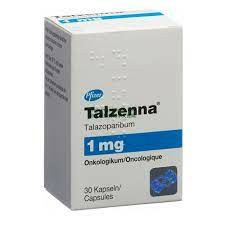
Again, whether it can be taken for a long time depends on the individual situation of the patient. For example, patients who are older, have poor basic liver and kidney function, or have received a large amount of chemotherapy may have poor tolerance to PARP inhibitors. In this case, long-term continuous use is not recommended, and intermittent dosing or individualized dose adjustment may be required. For patients who are young, in good physical condition, with well-controlled side effects and stable tumor response, they can usually be used continuously for a longer period of time until the disease progresses or intolerable toxic reactions occur.
Finally, patients should also pay attention to drug interactions while using talazoparib. This drug is mainly metabolized by the liverCYP3A enzyme. Some common drugs (such as anti-epileptic drugs, antifungal drugs, etc.) may affect its metabolism level, resulting in excessive or insufficient drug concentration. Therefore, it is important to inform your doctor of all prescription drugs, over-the-counter drugs, herbal remedies, and supplements you are taking while taking this medication to avoid unnecessary drug interactions. At the same time, female patients should avoid pregnancy while taking the drug and take reliable contraceptive measures, because the drug may cause damage to the fetus.
In summary, talazoparib, as a targeted therapy, can be used for many years in some patients, but this requires stable efficacy and controllable toxicity. Long-term medication requires close monitoring of blood routine, liver and kidney function, and disease progression, and attention should be paid to adverse reaction management and drug interactions. It is recommended to conduct individualized evaluation of medication courses and plans under the guidance of professional oncologists to achieve better treatment effects and quality of life.
Reference materials:https://www.talzenna.com/
[ 免责声明 ] 本页面内容来自公开渠道(如FDA官网、Drugs官网、原研药厂官网等),仅供持有医疗专业资质的人员用于医学药学研究参考,不构成任何治疗建议或药品推荐。所涉药品可能未在中国大陆获批上市,不适用于中国境内销售和使用。如需治疗,请咨询正规医疗机构。本站不提供药品销售或代购服务。


