
.jpeg)
How are Talazoparib and Olaparib related?
Talazoparib and Olaparib (Olaparib) are two PARP inhibitors widely used in cancer treatment. Due to their unique mechanism of targeting DNA repair pathways, they have become important drugs in the treatment of certain types of tumors in recent years. Although the two have similarities in pharmacological mechanisms and indications, there are also differences in molecular structure, efficacy, safety and clinical application details. The connections and differences between these two drugs are discussed in detail below.
First of all, both talazoparib and olaparib are PARP (polyadenosine diphosphate ribose polymerase) inhibitors. PARP is a key enzyme involved in repairing single-stranded DNA breaks in cells. When PARP function is blocked, cells cannot effectively repair DNA damage, leading to cancer cell death. This mechanism is particularly suitable for tumor patients carrying BRCA1/2 gene mutations, because the tumor cells of such patients already have DNA repair defects. PARP inhibitors selectively kill cancer cells through "synthetic lethality", while having less impact on normal cells. Therefore, both talazoparib and olaparib are widely used to treat breast, ovarian and other related cancers carrying BRCA mutations.
Secondly, there are differences in molecular structure and pharmacodynamic characteristics between the two. The molecular structure of talazoparib not only inhibits the activity of PARP enzyme, but also has stronger PARP capture ability. PARPCapture means that the drug causes the PARP enzyme to tightly bind to the DNA break, preventing the repair process from proceeding further, thus enhancing the effect of killing tumor cells. Talazoparib has therefore shown stronger anti-tumor activity in some clinical studies, especially in certain drug-resistant cases or patients with larger tumor burdens. In contrast, although olaparib is also effective, its PARP capture ability is relatively weak.
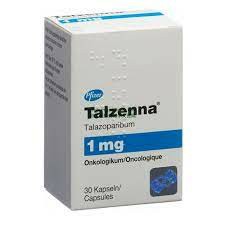
Third, in terms of clinical application and safety, both have been approved by drug regulatory authorities in multiple countries for the treatment of a variety of solid tumors carrying BRCA mutations. Talazoparib is commonly used to treat patients with metastatic breast cancer due to its strong pharmacological activity, especiallyHER2Negative patients carrying BRCA mutations. Lynparza has a wider range of applications. It is not only used for breast cancer, but also approved for the maintenance treatment of various cancers such as ovarian cancer and prostate cancer. In addition, the main side effects of both are bone marrow suppression (such as anemia, neutropenia) and gastrointestinal reactions (such as nausea, fatigue), but the specific safety spectrum and tolerability may be different, and individual selection needs to be based on the patient's specific conditions.
Finally, talazoparib and olaparib promote each other in clinical research and marketing, promoting the development of the PARP inhibitor field. Both drugs are important achievements in precision medicine and demonstrate the great potential of gene-targeted therapy in tumor management. In the future, as more research proceeds, these two drugs may play a greater role in combined drug use, development of new indications, and research on resistance mechanisms, bringing hope to more cancer patients.
In summary, although talazoparib and olaparib are both PARP inhibitors and have similar therapeutic mechanisms and indications, they have differences in molecular properties, efficacy performance and clinical application details. The two complement each other and jointly promote the development of targeted cancer treatments. When patients choose to use it, they should make reasonable decisions based on their own condition and drug characteristics under the guidance of a doctor.
Reference materials:https://www.talzenna.com/
xa0
[ 免责声明 ] 本页面内容来自公开渠道(如FDA官网、Drugs官网、原研药厂官网等),仅供持有医疗专业资质的人员用于医学药学研究参考,不构成任何治疗建议或药品推荐。所涉药品可能未在中国大陆获批上市,不适用于中国境内销售和使用。如需治疗,请咨询正规医疗机构。本站不提供药品销售或代购服务。


