
.jpeg)
Are there any side effects of Tirzepatide during weight loss?
Tirzepatide (Tirzepatide), as a new type of diabetes and obesity treatment drug, has attracted much attention in recent years due to its significant weight loss effect. Although it shows great potential in weight control and metabolic improvement, like all drugs, tilsiparatide may also cause certain side effects during weight loss. Understanding these side effects and how to manage them is important for patients to use this drug safely and achieve good results.
First, the most common side effects of tilsiparatide are mainly in the gastrointestinal tract. Patients may experience symptoms such as nausea, vomiting, diarrhea, abdominal pain and constipation during use. These gastrointestinal reactions usually occur in the early stages of treatment and are mostly mild to moderate. Most patients will gradually reduce or disappear after a period of time. Doctors often advise patients to start with a low dose and gradually adjust the dose to help the body adapt to the drug and thereby reduce gastrointestinal discomfort. At the same time, dietary adjustments and proper rest can also effectively alleviate these symptoms.
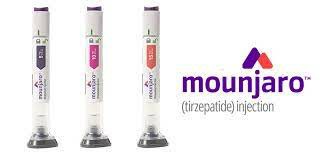
Secondly, tisiparatide may affect blood sugar levels, especially the risk of hypoglycemia. Although tisiparatide is mainly used for patients with type 2 diabetes to help control blood sugar and promote weight loss, if combined with other anti-diabetic drugs, it may cause hypoglycemia and symptoms of hypoglycemia such as dizziness, palpitations, sweating, and fatigue. Therefore, patients should regularly monitor blood sugar changes while taking tisiparatide, and adjust the dosage of anti-diabetic drugs as directed by the doctor to avoid hypoglycemic events.
Additionally, tilsiparatide may cause injection site reactions such as redness, swelling, pain, or itching. Although these reactions are mostly minor local discomfort, care must be taken to avoid infection and over-irritation. Proper injection technique and site rotation can reduce the occurrence of local reactions. In rare cases, patients may experience allergic reactions, including rash, difficulty breathing, etc. Once they occur, they should seek medical attention immediately.
Finally, the safety of long-term use of tilsiparatide is still under further observation. Clinical trials have shown that the drug is well tolerated by most patients, but some patients may experience rare serious side effects such as pancreatitis and thyroid tumors. Therefore, patients should pay close attention to their physical condition during use, undergo regular medical examinations, and report any abnormal symptoms in a timely manner.
In summary, tilsiparatide may cause side effects such as gastrointestinal discomfort, hypoglycemia, and injection site reactions during weight loss, but most of them can be effectively managed through rational medication use and medical guidance. Patients should use it under the guidance of a doctor, adjust the dosage reasonably, maintain good living habits and regular monitoring to ensure the safety of treatment and maximize the effect.
Reference materials:https://www.drugs.com/tirzepatide.html
xa0
[ 免责声明 ] 本页面内容来自公开渠道(如FDA官网、Drugs官网、原研药厂官网等),仅供持有医疗专业资质的人员用于医学药学研究参考,不构成任何治疗建议或药品推荐。所涉药品可能未在中国大陆获批上市,不适用于中国境内销售和使用。如需治疗,请咨询正规医疗机构。本站不提供药品销售或代购服务。


