
.jpeg)
The weight loss principle and mechanism of Tirzepatide
Tirzepatide is a new weight loss drug that has received widespread attention in recent years. It was originally developed to treat type 2 diabetes, but has shown significant weight loss effects in clinical trials and is therefore widely used for weight management in obese or overweight people. Currently, the drug has been approved for weight loss treatment in the United States and other countries, and is expected to become one of the mainstream drugs for anti-obesity treatment in the future. Its unique mechanism of action and good efficacy have made many medical experts and patients place high hopes on it.
From a pharmacological perspective, the weight loss principle of tilsiparatide mainly stems from its dual agonistic effect on incretin. It is a GIP (glucose-dependent insulinotropic polypeptide) and GLP-1 (glucagon-like peptide -1) receptor agonist. This means that tilsiparatide can simultaneously activate two incretin receptors: GIP and GLP-1, thereby synergistically regulating the body's metabolic function, improving blood sugar control, and significantly reducing weight. This "dual-target" mechanism is the biggest difference between tilsiparatide and traditional GLP-1 agonists (such as semaglutide and liraglutide).
GLP-1It is a hormone secreted by the intestine after eating. It can stimulate insulin secretion, inhibit glucagon secretion, delay gastric emptying and enhance the feeling of fullness. GIP also has the effect of stimulating insulin secretion, but its more critical function is to promote lipolysis by regulating fat metabolism. In obese individuals, the role of GLP-1 is relatively preserved, while the signal of GIP is often considered "inactivated", but studies have found that Now, when using GIP receptor agonists, GIP can regain its beneficial effects and enhance energy metabolism and fat oxidation. Therefore, tilsiparatide forms a complementary and synergistic metabolic regulation effect by activating these two receptors, which is more significant in weight loss.
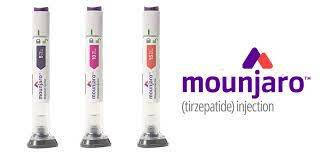
Another key mechanism of action of tilsiparatide is appetite suppression and reduction of energy intake. By acting on the central nervous system, especially the satiety center of the hypothalamus, tilsiparatide can enhance the feeling of fullness, reduce the desire to eat, and allow patients to naturally reduce caloric intake. In addition, it slows down the emptying of the stomach, allowing food to stay in the stomach longer, further prolonging the feeling of fullness. These factors work together to enable tilsiparatide to not only achieve rapid weight loss in the early stages, but also maintain a lower body weight during long-term use.
In multiple clinical studies, the weight loss effect of tilsiparatide is very significant. For example, in SURMOUNTIn a series of studies, overweight or obese non-diabetic patients experienced an average weight loss of more than 20% after 72 weeks of treatment with tilsiparatide at the highest dose (15 mg). This result not only exceeds the weight loss effect of traditional GLP-1 agonists, but is even close to the effect of some metabolic weight loss surgeries, which surprised many medical experts. In addition, the drug also has good improvements in metabolic indicators such as blood sugar, blood lipids, and blood pressure, and is particularly beneficial to obese patients with metabolic syndrome.
Although tilsiparatide has shown excellent effects in weight loss, it is also necessary to pay attention to its possible adverse effects. Common side effects include nausea, vomiting, diarrhea, constipation and other gastrointestinal symptoms. They are usually more obvious in the early stages of medication, and most people can gradually tolerate it over time. In addition, tilsiparatide is a prescription drug and must be evaluated under the guidance of a doctor before use to rule out contraindications such as a history of pancreatitis, family history of medullary thyroid cancer, etc.
Overall, tilsiparatide shows strong weight loss potential and good metabolic improvement effect due to its unique dual agonism mechanism. Not only is it an effective anti-diabetic drug, it is also expected to play a central role in anti-obesity treatment. As the global obesity population continues to grow, tilsiparatide provides a new hope for many overweight and obese patients. If it can be marketed and widely used in more countries in the future, it may change the traditional weight loss treatment model.
Reference materials:https://www.drugs.com/tirzepatide.html
[ 免责声明 ] 本页面内容来自公开渠道(如FDA官网、Drugs官网、原研药厂官网等),仅供持有医疗专业资质的人员用于医学药学研究参考,不构成任何治疗建议或药品推荐。所涉药品可能未在中国大陆获批上市,不适用于中国境内销售和使用。如需治疗,请咨询正规医疗机构。本站不提供药品销售或代购服务。


