
.jpeg)
Upadatinib shows promise in treating refractory Crohn's disease
Upadacitinib demonstrated effective clinical and endoscopic response in patients with Crohn's disease (CD), including those with prior advanced therapy, but no new safety signals, according to a real-world study. This published study aims to address the limitations of current treatments for moderate to severe Crohn's disease, such as unresponsiveness, loss of response, and challenges with injection-based biologics that may impact patient compliance. Crohn's disease is a subtype of inflammatory bowel disease (IBD).
Given the heterogeneity of patients with Crohn's disease, where upadacitinib is not currently approved for first-line use, and the fact that many patients with Crohn's disease have had prior off-label use of tofacitinib, we wanted to understand whether prior biologics or tofacitinib exposure could impact outcomes. The study showed that patients with prior exposure to tofacitinib had similar outcomes to upadacitinib compared with patients who had not been exposed to tofacitinib, demonstrating its potential as a rescue treatment for patients with refractory Crohn's disease.
United States The age- and sex-standardized incidence rate of IBD is 10.9 cases per 100,000 person-years, peaking in the third decade of life. 2 The standardized prevalence rate is 721 cases per 100,000 people, equivalent to approximately 2.39 million Americans with IBD. Crohn's disease subtype affects an estimated 1.01 million Americans (205 cases per 100,000).
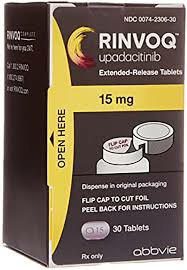
Small molecule therapies such as Janus kinase (JAK) inhibitors, especially upadatinib, offer promising oral alternatives with rapid onset of action and no risk of immunogenicity. However, real-world evidence for upadacitinib in Crohn's disease is limited, particularly regarding its effectiveness, safety and optimal use. This study was designed to evaluate the real-world performance of upadacitinib and identify predictors of treatment response in patients with active luminal Crohn's disease at multiple tertiary IBD centers in the United States.
This study is a multicenter retrospective analysis conducted at 9 centers using data from the REBOOT-IBD consortium. It included adults with histologically confirmed Crohn's disease who were taking upadacitinib for active luminal disease and who had at least 1 follow-up visit. Data were collected using standardized forms, including clinical, endoscopic, radiological and biomarker assessments.
The main goal is to evaluateClinical response at 12 weeks and endoscopic response at 6 months. Secondary outcomes included long-term clinical response, steroid discontinuation and radiographic improvement. Only patients on the 45 mg dose were included in the efficacy analysis, while safety results were tracked for all patients. Adverse events (AEs) were recorded, including infections, venous thromboembolism, cardiac events, and hospitalizations.
This real-world study included 334 Crohn's disease patients treated with upadacitinib, with a median follow-up of 5 months. The median age of the cohort was 34 years, 44.6% were female, and most had long-term, refractory disease. Upadatinib was initiated in 93.4% of patients due to active disease, 80% of whom had inflammation confirmed by colonoscopy. The majority (79%) received a 12-week induction, with 96% receiving a 30 mg maintenance dose. Almost all had received advanced therapies (ATs), and nearly half had a history of intestinal surgery.
At 12 weeks, 52.1% achieved clinical remission, 90.4% of whom were corticosteroid-free. At 6 months, response rates remained at 55.9% and 94% without corticosteroids. The endoscopic response rate at 6 months was 42.7%. Non-white patients had a higher 6-month response rate than white patients (87.3% vs. 74.5%; P=0.03), and the prognosis for ileal-dominant disease was better than that for colon-dominant disease (67.1% vs. 47.1%; P=0.02). Longer disease duration, higher body mass index, stricturing/penetrating disease, and previous surgery predicted lower response rates, whereas higher albumin was favorable.
Clinical response was 61.7% at 12 weeks and 66.5% at 6 months. More prior AT exposure reduced response rates; treatment-naïve patients had the best outcomes (97.7% at 6 months). The imaging improvement rate was 73.3%, the histological response rate was 23.5%, and the histological response rate was 7.8%. C-reactive protein levels improved, but fecal calprotectin did not. Safety outcomes included acne (3.3%), herpes zoster (2.4%), and 1 case of venous thromboembolism (0.6%). No malignancies or major cardiovascular events occurred.
18 serious adverse events occurred, including 3 cases of herpes zoster and 2 cases of deep vein thrombosis/pulmonary embolism, resulting in treatment interruption or hospitalization. These findings highlight the potential of upadacitinib as a second-line and other effective therapy, but also highlight the need for further research to reassess its status as the most effective therapy while balancing the risk of AEs.
Reference materials:https://www.ajmc.com/view/upadacitinib-shows-promise-for-hard-to-treat-crohn-disease
[ 免责声明 ] 本页面内容来自公开渠道(如FDA官网、Drugs官网、原研药厂官网等),仅供持有医疗专业资质的人员用于医学药学研究参考,不构成任何治疗建议或药品推荐。所涉药品可能未在中国大陆获批上市,不适用于中国境内销售和使用。如需治疗,请咨询正规医疗机构。本站不提供药品销售或代购服务。


