
.jpeg)
Main efficacy and target mechanism of serputinib/serpatinib
Selpercatinib, also known as selpatinib, is a new type of targeted therapy drug mainly used to treat a variety of cancers caused by RET gene changes. As a representative of RETkinase inhibitor, it marks an important progress in cancer treatment in the field of precision medicine. This article will analyze in detail the main effects and target mechanisms of seputinib to help patients and medical staff better understand the therapeutic advantages of this drug.
First of all, the main efficacy of seputinib is to target tumor cells with RET gene fusion or mutation. RET (rearrangement-prone translocation gene) is a gene encoding a receptor tyrosine kinase that is normally involved in the regulation of cell growth and differentiation. However, when the RET gene undergoes fusion, point mutation or amplification, it will lead to abnormal kinase activity, promote abnormal proliferation and survival of cancer cells, and form tumors. Seputinib inhibits the growth and spread of tumor cells by specifically inhibiting RET kinase activity and blocking abnormal signaling pathways. Clinically, the drug is approved for the treatment of RET fusion-positive non-small cell lung cancer (NSCLC), RET mutation-positive medullary thyroid carcinoma, and RET fusion-positive papillary thyroid carcinoma.
Secondly, the targeting mechanism of seputinib is based on its highly selective and high-affinity RET kinase inhibitory properties. RETGene mutations and fusions activate multiple downstream signaling pathways, including the RAS/MAPK pathway, the PI3K/AKT pathway and the JAK/STAT pathway. These signals promote tumor proliferation, angiogenesis and avoid apoptosis. Seputinib competitively inhibits its kinase activity and blocks signal transmission by binding to the RETkinaseATP binding site. Compared with traditional multi-target tyrosine kinase inhibitors (TKIs), seputinib is more selective and can effectively reduce the impact on non-target kinases, reduce side effects, and improve treatment tolerance.
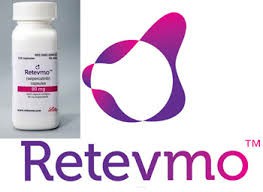
In clinical studies, seputinib has demonstrated significant therapeutic effects. INRETAmong patients with fusion-positive non-small cell lung cancer, seputinib can achieve a high objective response rate, and some patients' tumors have significantly shrunk or stabilized. In addition, seputinib also shows good penetration ability in patients with central nervous system (CNS) metastasis, controlling brain lesions and improving patient prognosis. For patients with RET mutated medullary thyroid cancer, seputinib also shows good efficacy, helping to alleviate the disease and prolong survival.
Finally, the advent of seputinib provides new treatment hope for patients with RET related cancers. Traditional treatment options often have limited efficacy for RET-driven tumors and have severe side effects. With its high selectivity and potency, Septinib has significantly improved patients' quality of life and therapeutic effects. Despite this, patients still need to pay attention to possible adverse reactions when using seputinib, such as hypertension, abnormal liver function, and gastrointestinal reactions. They should use the drug rationally under the guidance of a doctor and monitor relevant indicators regularly.
In summary, as a new generation of RETkinase inhibitor, seputinib plays an important role in the treatment of cancers related to RET gene alterations due to its precise target mechanism and good clinical performance. In the future, with the accumulation of more clinical data and in-depth research, seputinib is expected to become one of the standards for RET-related tumor treatment, bringing good news to more patients.
Reference materials:https://en.wikipedia.org/wiki/Selpercatinib
[ 免责声明 ] 本页面内容来自公开渠道(如FDA官网、Drugs官网、原研药厂官网等),仅供持有医疗专业资质的人员用于医学药学研究参考,不构成任何治疗建议或药品推荐。所涉药品可能未在中国大陆获批上市,不适用于中国境内销售和使用。如需治疗,请咨询正规医疗机构。本站不提供药品销售或代购服务。


