
.jpeg)
Can aprocitentan be used to treat high blood pressure?
Aprocitentan (Aprocitentan) is a new type of drug that has gradually attracted attention from the medical community in recent years due to its unique pharmacological effects and good therapeutic potential. Especially in the field of treatment of hypertension, aprecitentan has shown significant clinical value. This article will introduce in detail whether aprecitentan can be used to treat hypertension, and discuss its mechanism of action, clinical application and related research progress.
First of all, aprecitentan is an endothelin receptor antagonist (Endothelin Receptor Antagonist, ERA), which works by blocking endothelin receptors. Endothelin is a potent vasoconstrictor factor that plays an important role in regulating blood pressure in humans. Excess endothelin can cause vasoconstriction, increased blood pressure, and organ damage. Therefore, blocking endothelin receptors can effectively dilate blood vessels, lower blood pressure, and protect the cardiovascular system. Aprecitentan achieves the antihypertensive effect by selectively antagonizing endothelin receptors and inhibiting the contraction of endothelin.
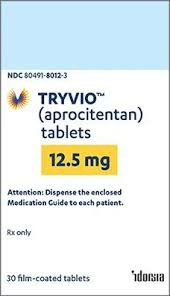
Secondly, clinical research data shows that aprecitentan shows good efficacy in the treatment of refractory hypertension. Refractory hypertension refers to patients whose blood pressure cannot be effectively controlled after multiple conventional antihypertensive drug treatments. Such patients often face a higher risk of cardiovascular events. Multiple clinical trials have shown that aprecitentan can significantly reduce systolic and diastolic blood pressure, improve vascular function, and is well tolerated. This provides a new treatment option for patients with refractory hypertension, especially when traditional drugs have limited effectiveness, making aprecitentan an ideal complementary drug.
In addition, the safety and tolerability of aprexitentan have also received attention. Existing research points out that the drug has mild side effects at conventional doses. Common side effects include edema and mild headache, but most patients can tolerate it, and side effects can usually be managed by adjusting the dose or combining it with other drugs. Compared with other endothelin receptor antagonists, aprecitentan has better selectivity and longer action time, which also gives it more advantages in clinical application.
Finally, although aprexitentan is not yet widely available in China, and some regions still rely on overseas imports or generic versions, its potential in the field of hypertension treatment cannot be ignored. With the accumulation of more clinical data and the improvement of drug regulatory policies, aprecitentan is expected to become an important therapeutic drug for patients with hypertension, especially refractory hypertension. Future studies will also further explore its combined use with other antihypertensive drugs and individualized treatment options in different patient groups.
In summary, aprecitentan can indeed be used to treat hypertension, especially for patients with refractory hypertension. By blocking endothelin receptors, it dilates blood vessels and lowers blood pressure, and has good safety and tolerability. With the advancement of medical technology and drug promotion, Aprecitentan is expected to bring good news to more patients with hypertension.
Reference materials:https://go.drugbank.com/drugs/DB15059
[ 免责声明 ] 本页面内容来自公开渠道(如FDA官网、Drugs官网、原研药厂官网等),仅供持有医疗专业资质的人员用于医学药学研究参考,不构成任何治疗建议或药品推荐。所涉药品可能未在中国大陆获批上市,不适用于中国境内销售和使用。如需治疗,请咨询正规医疗机构。本站不提供药品销售或代购服务。


