
.jpeg)
Analysis of the action targets and therapeutic effects of Crizotinib
Crizotinib (Crizotinib) is an oral small molecule targeted drug, a tyrosine kinase inhibitor (TKI), which mainly targets anaplastic lymphoma kinase (< span>ALK), ROS1 and c-MET and other receptor tyrosine kinases are inhibited. Due to its precise targeting mechanism, this drug has become an important treatment option for patients with non-small cell lung cancer (NSCLC), especially ALK positive and ROS1 positive patients. This article will analyze in detail the target, mechanism and clinical therapeutic effect of crizotinib, providing a comprehensive reference for patients and medical staff.
First of all, the main target of crizotinib is theALK gene fusion protein. ALKgene fusion is an oncogenic driver in non-small cell lung cancer, occurring in approximately 3% to 7% of NSCLC patients. This genetic rearrangement results in sustained activation of the ALK tyrosine kinase, promoting the growth and spread of cancer cells. Crizotinib competes with the ATP binding site of ALKtyrosine kinase, inhibits its kinase activity and blocks downstream signaling pathways. Such as PI3K/AKT and RAS/RAF/MEK/ERK pathways, thus inhibiting the proliferation of cancer cells and promoting apoptosis. In addition to ALK, crizotinib is also effective in ROS1 rearrangement-positive NSCLC patients. ROS1 gene fusion is also a rare but important carcinogenesis mechanism. The drug shows good efficacy by inhibiting ROS1 tyrosine kinase and blocking tumor growth signals.
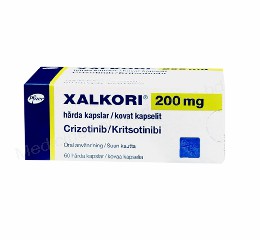
Clinical studies have shown that crizotinib has significant efficacy in ALKpositive NSCLC patients. Multiple international clinical trials have shown that patients treated with crizotinib have significantly improved disease control rates and progression-free survival compared with traditional chemotherapy. For example, in PROFILE 1014In the trial, the median progression-free survival of patients in the crizotinib group reached approximately 10.9 months, which was significantly better than the 7 months in the chemotherapy group. In addition, crizotinib also shows good penetration into patients with brain metastases. Some patients have reduced brain lesions and improved their quality of life.
In addition to its remarkable efficacy, crizotinib is generally well tolerated, and common adverse reactions include visual impairment, nausea, vomiting, diarrhea, and abnormal liver function. Most side effects are mild to moderate and can be alleviated through dose adjustment or symptomatic treatment. Crizotinib also greatly improves the patient treatment experience due to its ease of oral administration. In addition, with the continuous research on the mechanism of resistance, crizotinib is constantly optimizing its use in clinical practice, such as combining it with other drugs or sequential drug strategies to further extend the survival of patients.
In summary, crizotinib, as one of the first batch of approved ALK inhibitors, marks the entry of lung cancer treatment into the era of precision medicine. By specifically targeting ALK and ROS1, it effectively blocks cancer cell signaling and significantly improves the prognosis of ALK and ROS1-positive non-small cell lung cancer patients. In the future, with the continuous emergence of new targeted drugs and in-depth research on resistance mechanisms, the therapeutic status of crizotinib will be further clarified, and at the same time, it will bring double improvements in survival and quality of life to more patients. For patients, timely genetic testing to determine whether they are suitable for crizotinib treatment is a key step in achieving precise treatment.
Reference materials:https://go.drugbank.com/drugs/DB08865
[ 免责声明 ] 本页面内容来自公开渠道(如FDA官网、Drugs官网、原研药厂官网等),仅供持有医疗专业资质的人员用于医学药学研究参考,不构成任何治疗建议或药品推荐。所涉药品可能未在中国大陆获批上市,不适用于中国境内销售和使用。如需治疗,请咨询正规医疗机构。本站不提供药品销售或代购服务。


