
.jpeg)
Aprocitentan Instructions Contents and Precautions
Aprocitentan is an oral endothelin receptor antagonist mainly used to treat patients with refractory hypertension. Such patients usually still find it difficult to effectively control their blood pressure after receiving conventional antihypertensive treatment. Aprecitentan blocks endothelin receptors and reduces the vasoconstrictive response, thereby dilating blood vessels and lowering blood pressure. This article will introduce the instructions for aprecitentan in detail, including indications, usage and dosage, adverse reactions and precautions, to help patients better understand and use the drug safely.
First of all, the main indication of aprecitentan is for the treatment of refractory hypertension. Refractory hypertension refers to a situation in which a patient's blood pressure still fails to reach the target even when three or more antihypertensive drugs with different mechanisms of action are used in combination. Endothelin is a potent vasoconstrictor factor widely involved in vasoconstriction and blood pressure regulation. Aprecitentan competitively blocks endothelin receptors, especially A type and B type receptors, inhibiting their activity, thereby effectively reducing vascular resistance, improving hemodynamics, and ultimately achieving the antihypertensive effect. Multiple clinical trials have shown that aprecitentan has significant efficacy in patients with refractory hypertension and is well tolerated.
Regarding usage and dosage, it is generally recommended to take aprecitentan orally once a day. The specific dosage should be adjusted according to the patient's individual condition and the guidance of a doctor. Patients should strictly follow the prescription and avoid increasing or decreasing the dosage on their own. The medicine should be swallowed whole and avoid crushing or chewing to ensure sustained release or absorption of the medicine. The timing of taking medication is usually not affected by diet, but to maintain medication regularity, it is recommended to take it at the same time every day. If you miss a dose, you should not take a double dose. You should take the regular dose the next time you take the medicine to avoid blood pressure fluctuations.
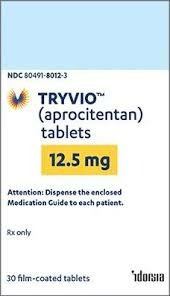
The safety profile of aprexitentan is generally good, but there are still some common adverse reactions that need to be noted. The most common side effects include edema, headache, hypotension, dizziness, and fatigue. Edema manifests as local or systemic swelling of the body, especially the lower limbs, and may be related to fluid retention caused by drugs. Therefore, patients should regularly monitor their weight and swelling during medication, and inform their doctor promptly if obvious edema occurs. Low blood pressure may cause dizziness or instability when standing, especially when standing up. Some patients may experience gastrointestinal discomfort, nausea and other symptoms, but they are generally mild and tolerable.
Abnormal liver function is also a safety issue that requires vigilance when using aprecitentan. Drugs may cause an increase in liver enzymes, especially changes in transaminases. Liver function tests should be performed regularly during medication. When abnormal liver function indicators are found, you should communicate with your doctor and adjust the dose or suspend medication if necessary. Patients with severe liver damage should not use this drug. In addition, aprecitentan may have a certain impact on renal function. Patients with renal insufficiency should use it with caution and renal function should be monitored before and after treatment.
In terms of medication contraindications and precautions, aprecitentan is contraindicated in pregnant women, lactating women and patients with severe hepatic and renal insufficiency. Because the drug may pass through the placenta or breast milk and affect the health of the fetus or infant, pregnant and breastfeeding women should inform their doctor and avoid use. In addition, when using aprecitentan, patients should inform their doctors in detail about all the medications they are taking to avoid potential drug interactions. For example, coadministration with diuretics, other antihypertensive drugs, or potassium-containing preparations may increase the risk of hypotension, hyponatremia, or electrolyte imbalance.
In addition, patients should avoid alcohol and high-salt diets while taking aprecitentan. Alcohol may enhance the blood pressure-lowering effects of medications and increase the risk of dizziness and syncope. A high-salt diet may offset the antihypertensive effect of the drug and cause edema to worsen. Maintaining a healthy diet and moderate exercise can help improve the effectiveness of treatment. Patients should undergo regular follow-up visits to monitor blood pressure, liver and kidney function, and electrolyte levels, and adjust treatment plans in a timely manner.
Overall, aprecitentan, as a novel endothelin receptor antagonist, provides an effective treatment option for patients with refractory hypertension. It exerts antihypertensive effects by blocking endothelin receptors and is well tolerated, but it is still necessary to pay attention to adverse effects such as edema, hypotension, and liver function. During the medication process, patients should strictly abide by medical instructions, regularly detect relevant indicators, and report any abnormal reactions to the doctor in a timely manner. Only in this way can the therapeutic effect of aprecitentan be maximized while ensuring the safety of medication. In the future, with the deepening of clinical application, aprecitentan is expected to bring good news to more patients with hypertension.
Reference materials:https://go.drugbank.com/drugs/DB15059
[ 免责声明 ] 本页面内容来自公开渠道(如FDA官网、Drugs官网、原研药厂官网等),仅供持有医疗专业资质的人员用于医学药学研究参考,不构成任何治疗建议或药品推荐。所涉药品可能未在中国大陆获批上市,不适用于中国境内销售和使用。如需治疗,请咨询正规医疗机构。本站不提供药品销售或代购服务。


